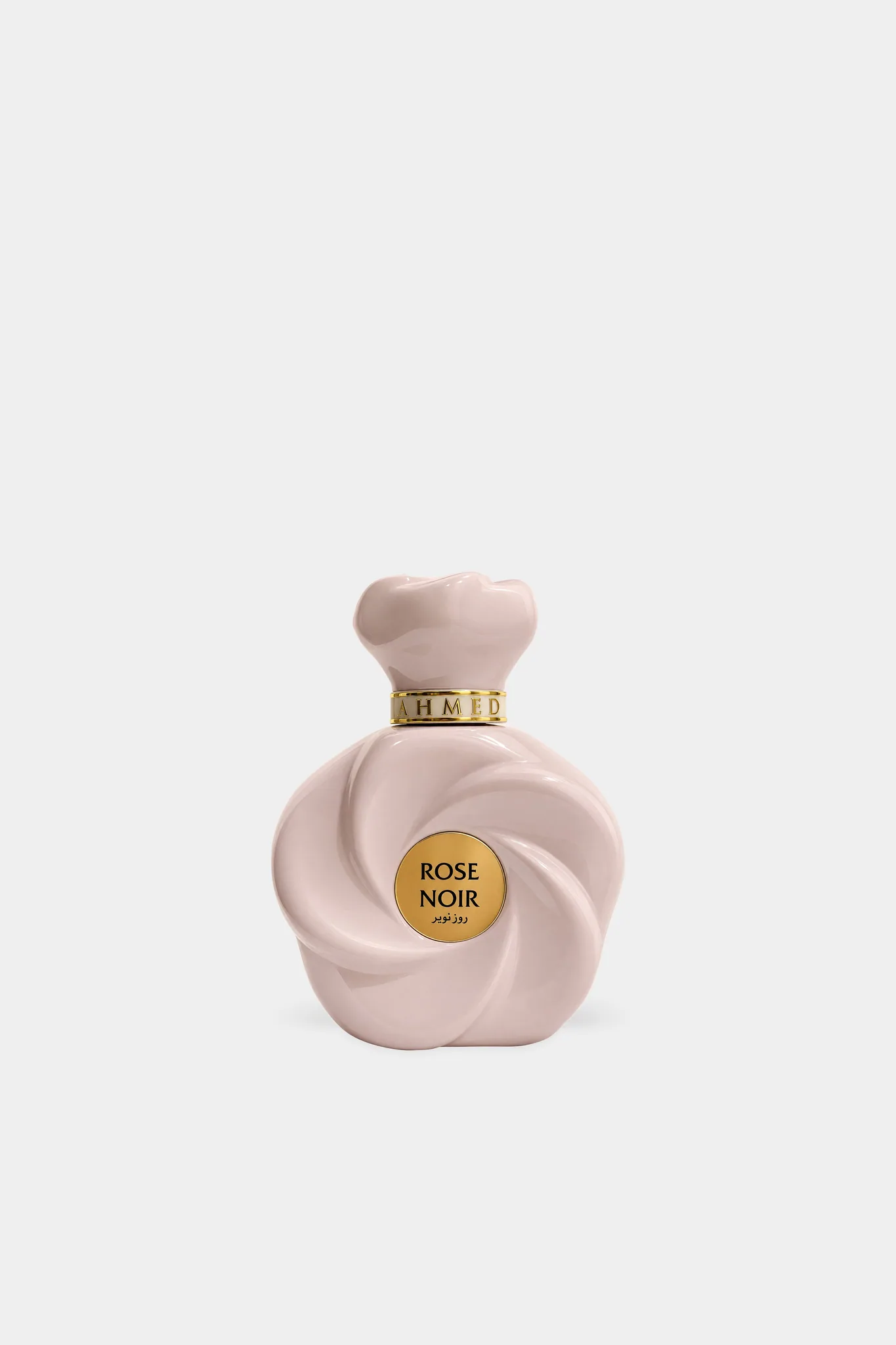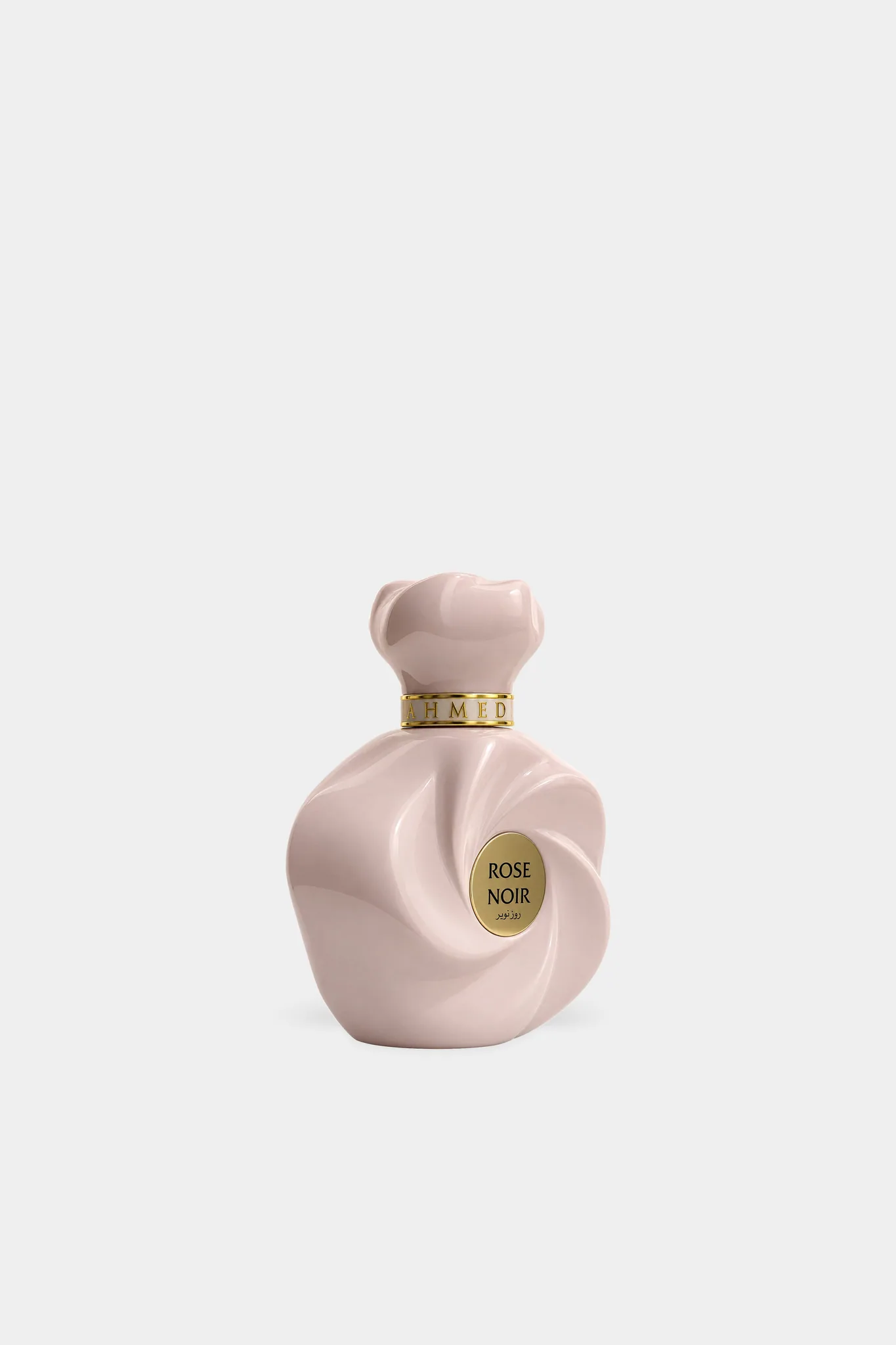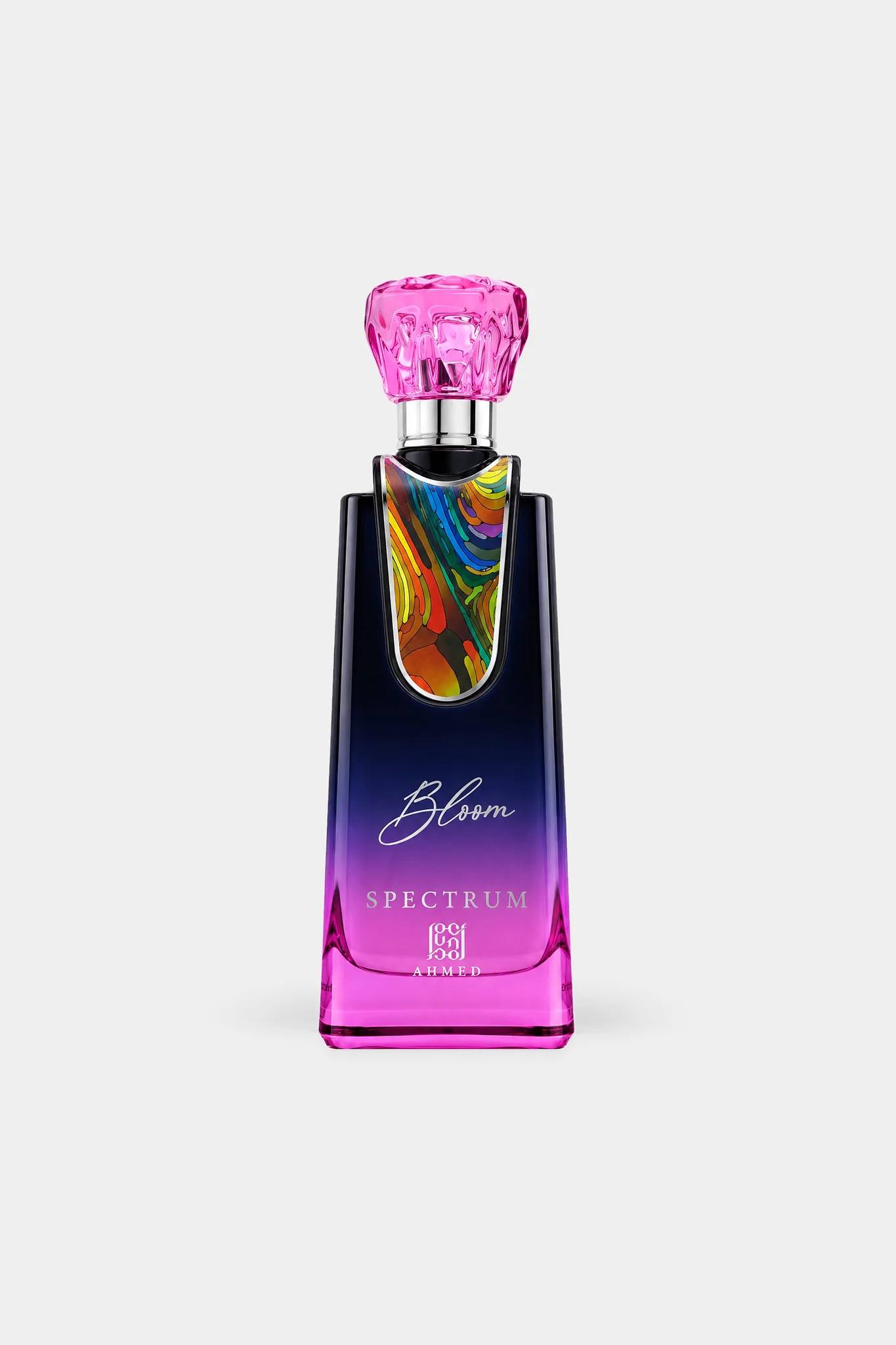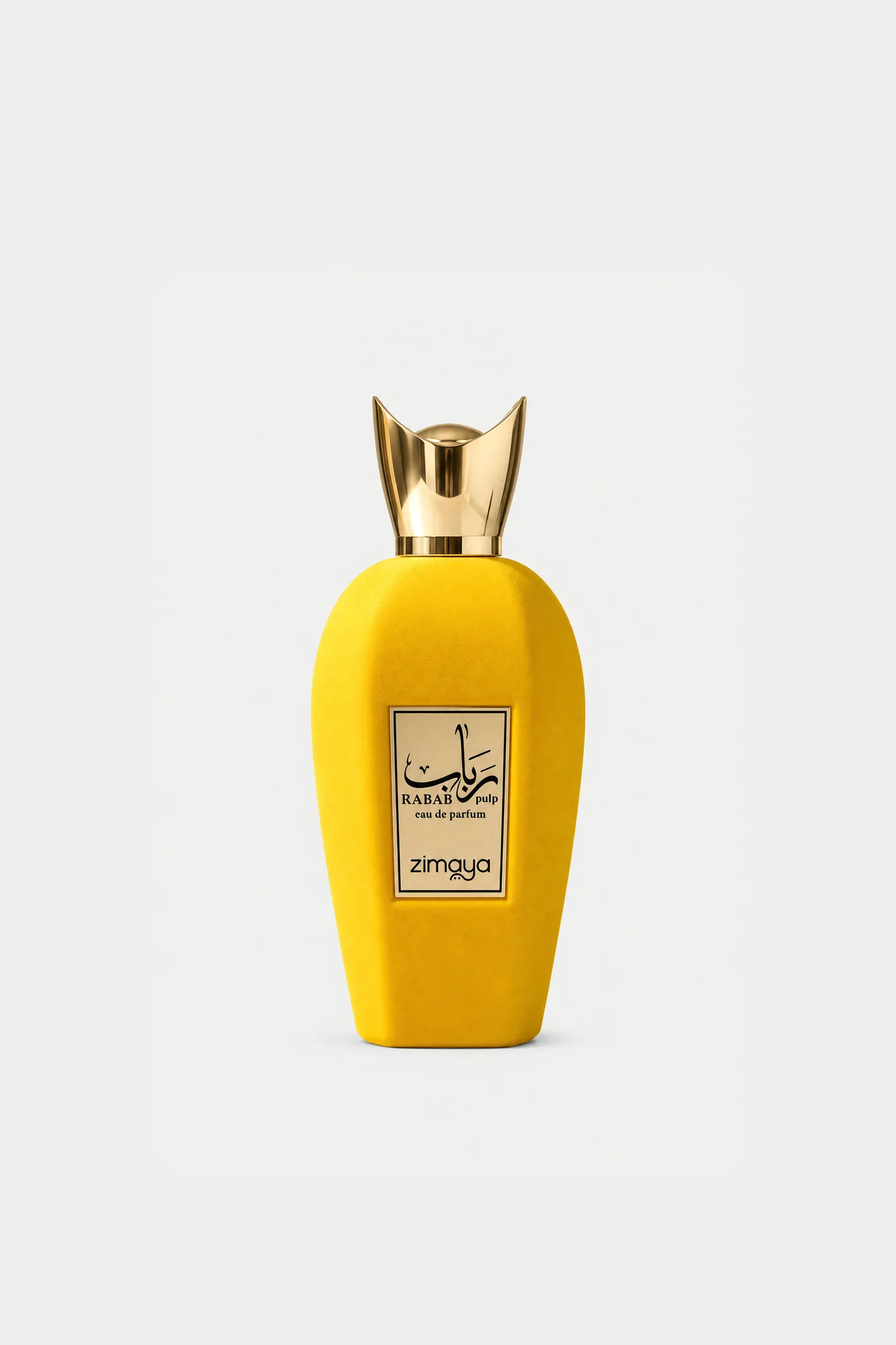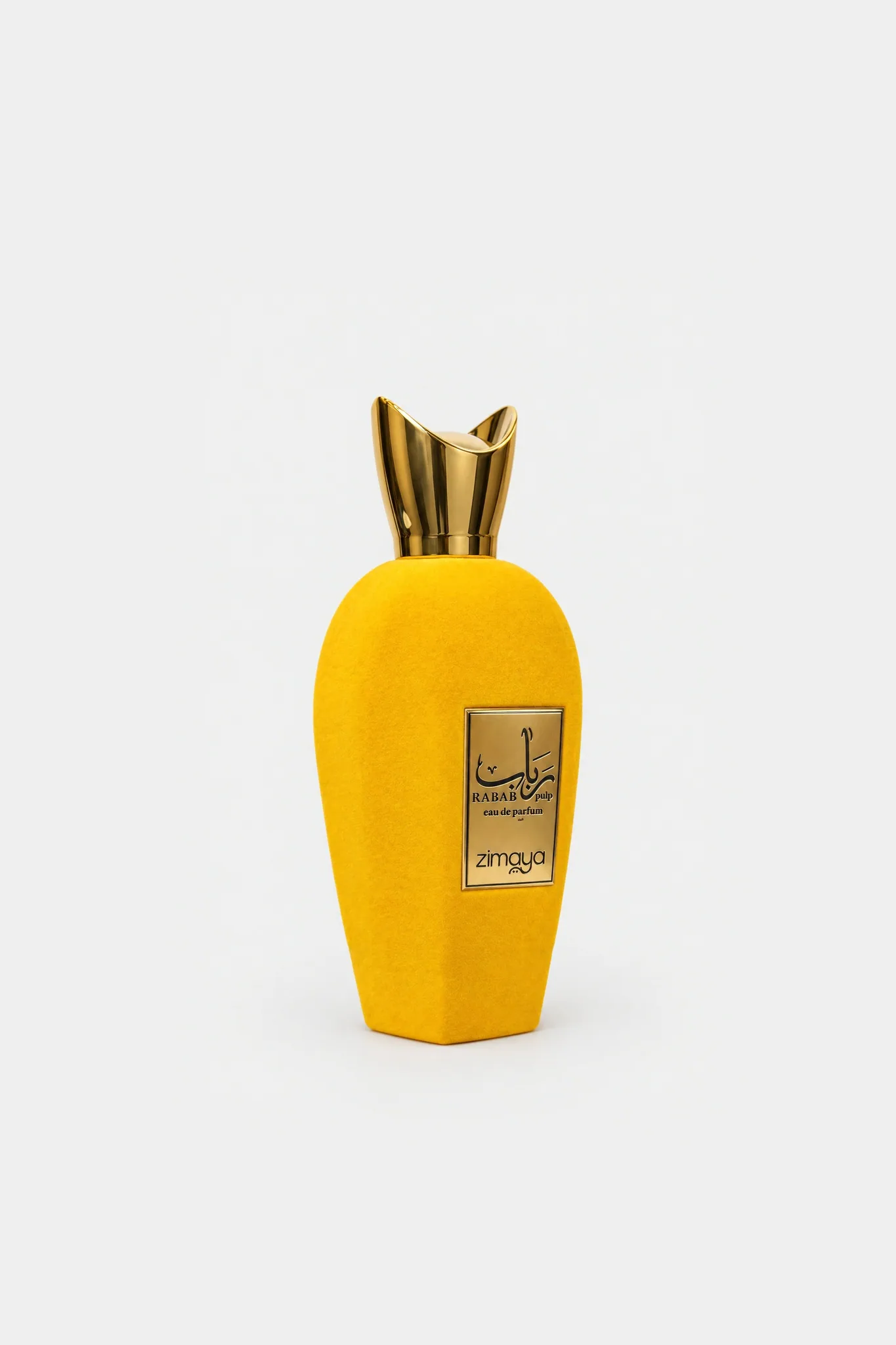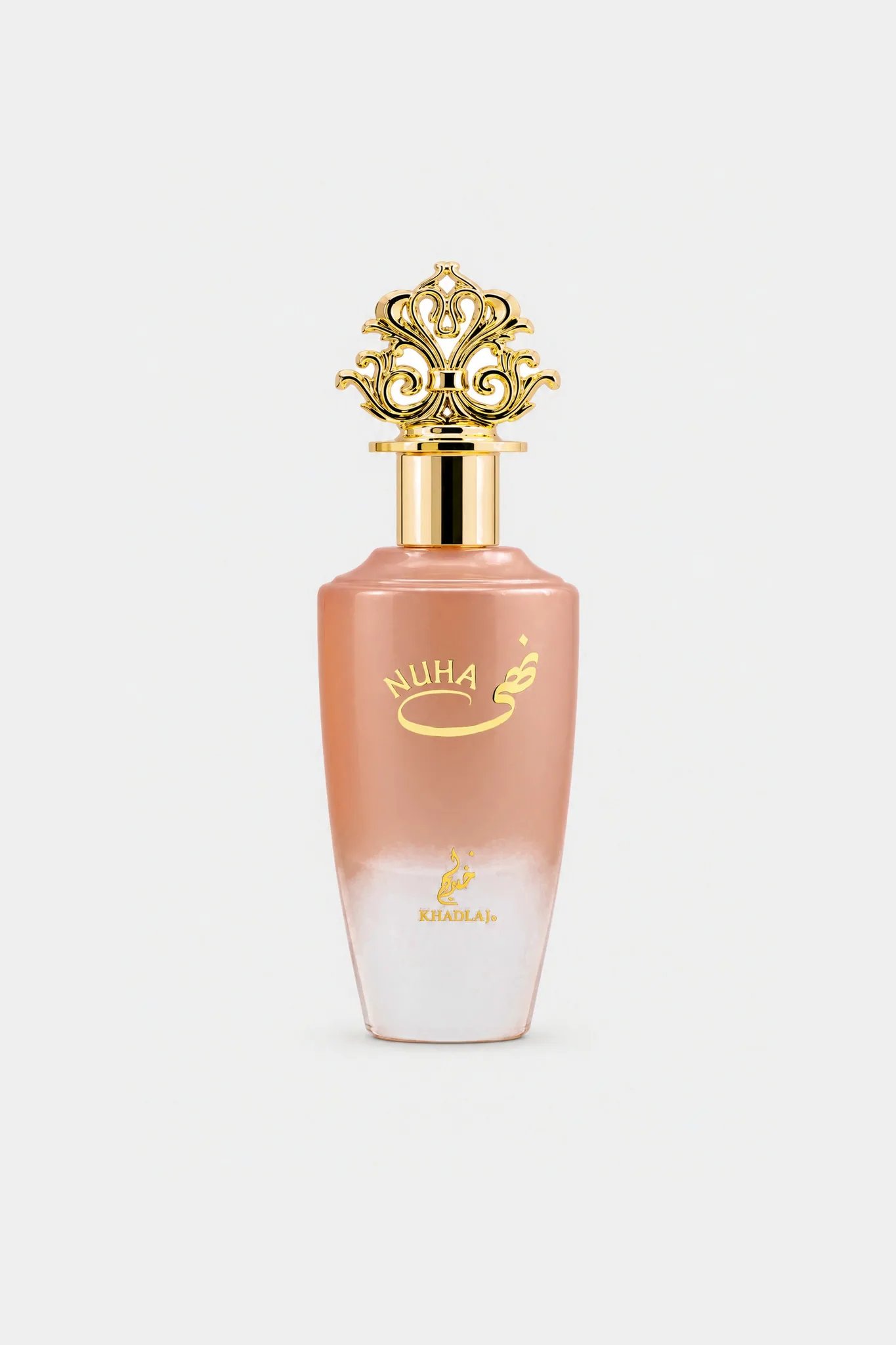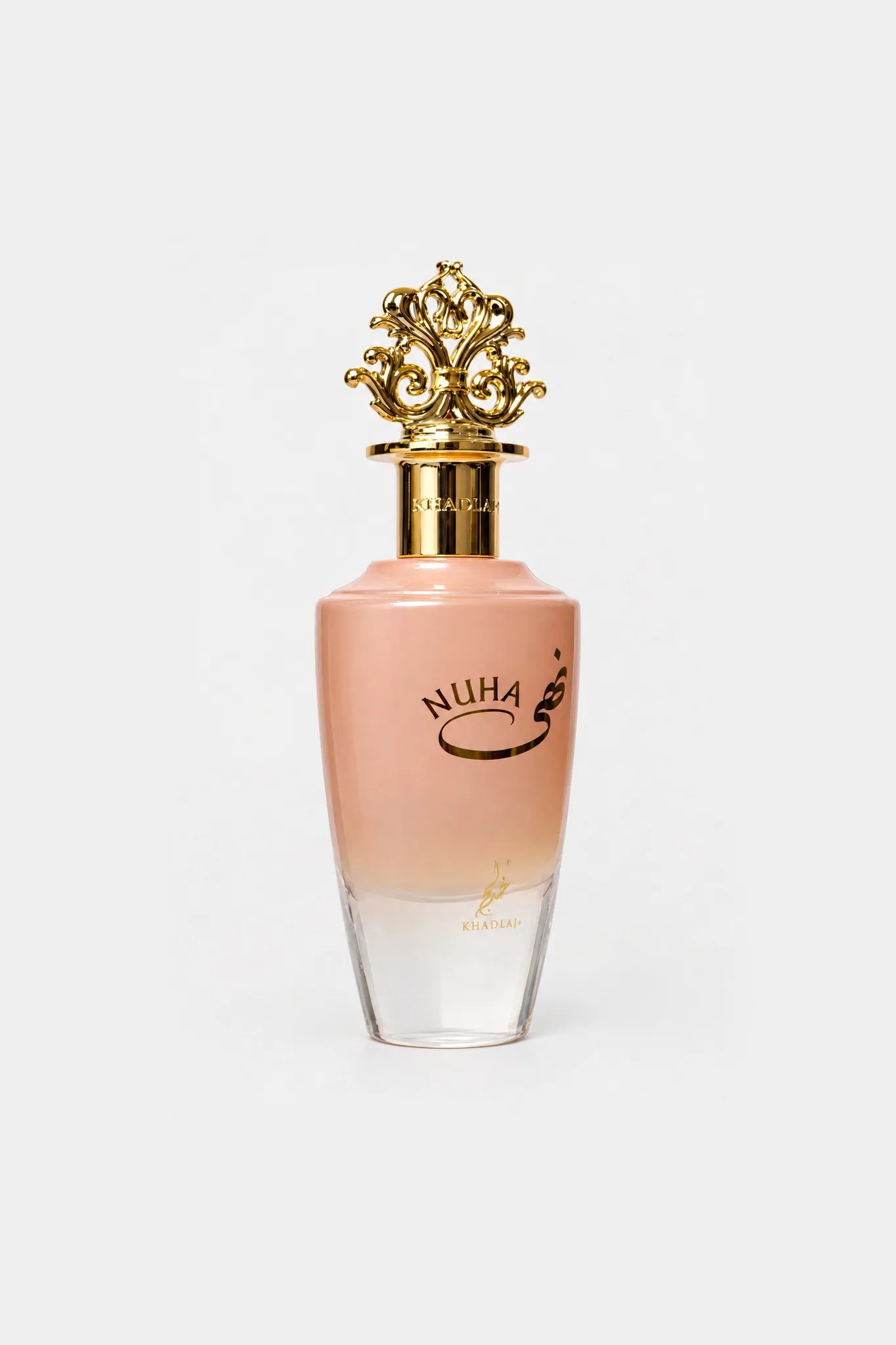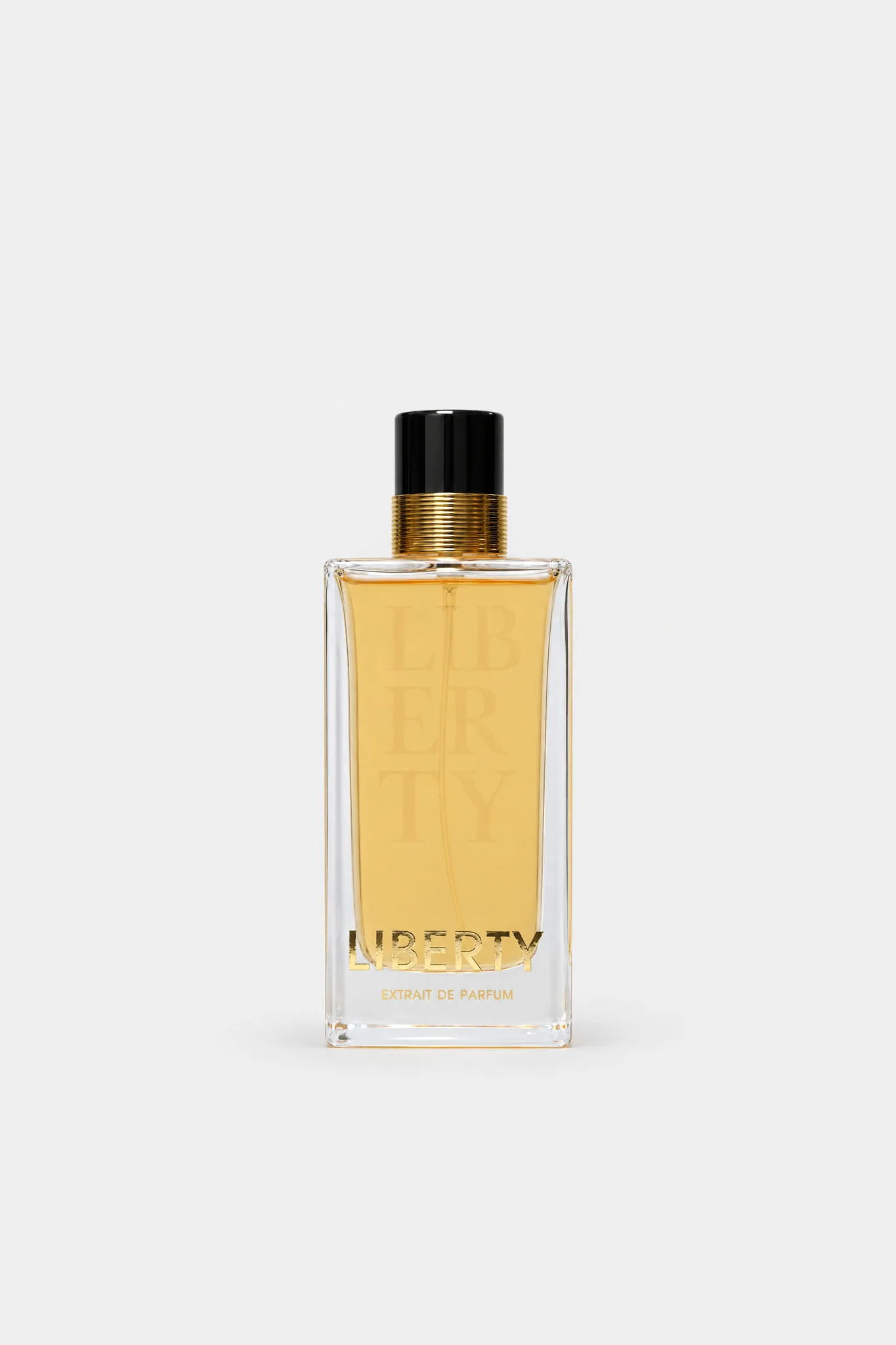


Floral · Accord · Top notes, Heart notes
Lily
Lily is the note of the lily flower (genus Lilium), especially trumpet and Oriental lilies, which are strongly scented. It smells creamy, sweet and rich, with a slightly spicy, green side. In perfume, lily is usually a recreated accord, placed in the top or heart notes as part of a white floral blend.
· Written by the FRAG team
What does lily smell like?
Lily smells like lilies in full bloom in a vase: creamy, sweet and rich, with a faint spicy edge and a little green. A single fresh stem can scent a whole room, and that strong character is what perfume tries to capture.
On skin, lily feels full at first and then softens into a gentler floral. Lily is greener and fresher than tuberose, though both are sweet white flowers.
Why is lily recreated in perfume?
Lilium is a bulb plant with large trumpet-shaped flowers. Not every lily is fragrant: trumpet and Oriental lilies are strongly scented, trumpet lilies often most of all at night, while Asiatic lilies are mostly unscented.
An extract can be made from lily flowers, but it is very rare and expensive. So the lily note in perfume is almost always an accord. Perfumers use materials such as hydroxycitronellal, which smells lily-like, and add other floral materials so the result comes close to a living lily.
Lily in a perfume
Lily can sit in the top notes as an immediate floral opening, or in the heart as part of a white flower accord. It makes a perfume feel full and creamy, and often appears in florals with a classic character.
Common partners for lily are jasmine, tuberose and rose, which together form a white bouquet. Musk in the base makes lily softer and cleaner. How long lily lasts depends on the blend and its concentration, as well as on skin and weather.
When to wear a lily perfume
Lily suits formal daytime events, parties or evenings. Because it is rich, go easy on the sprays in hot weather and closed rooms. Lily with musk feels quieter and works for the office. A lily perfume also suits weddings and other celebrations.