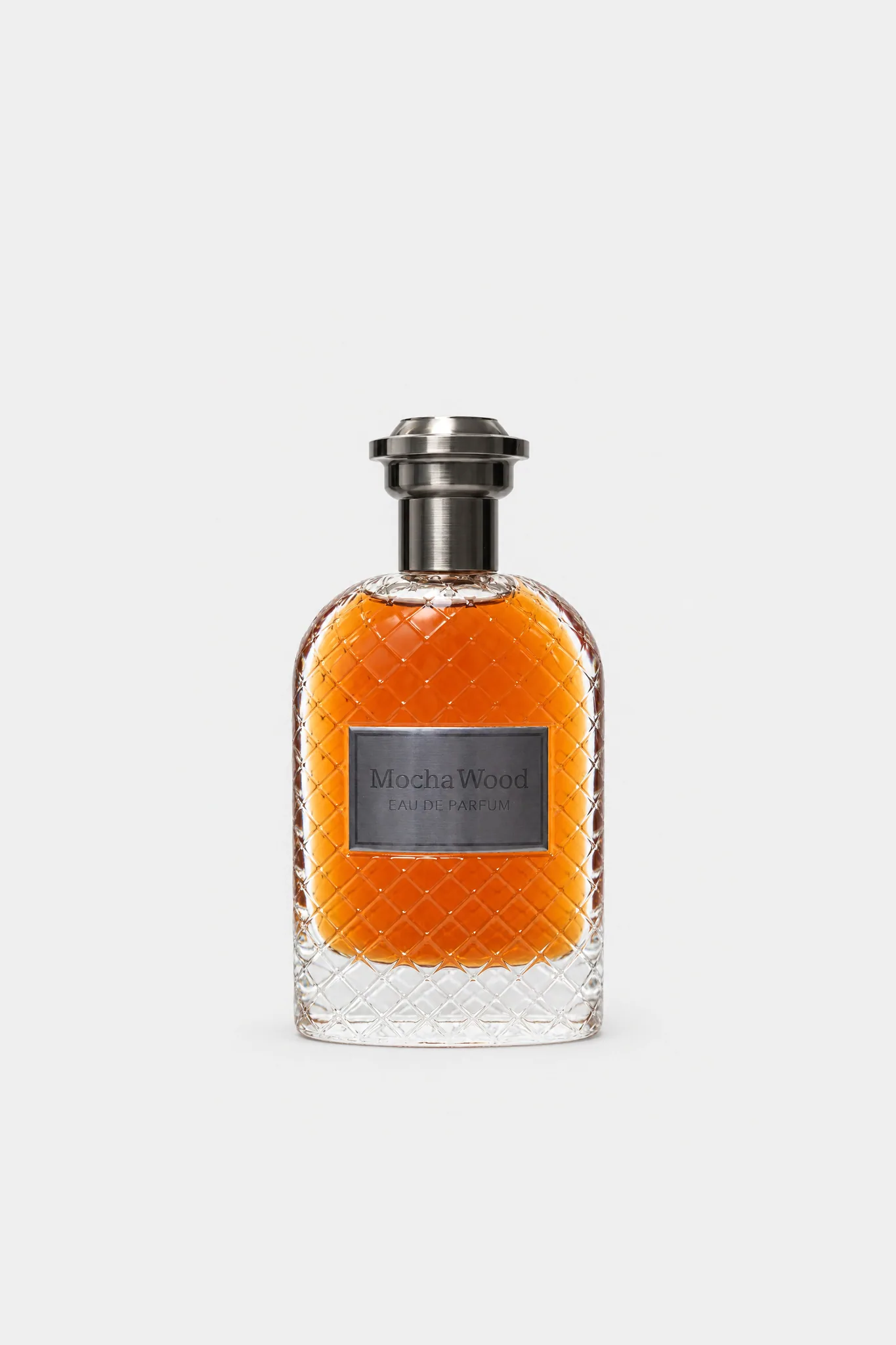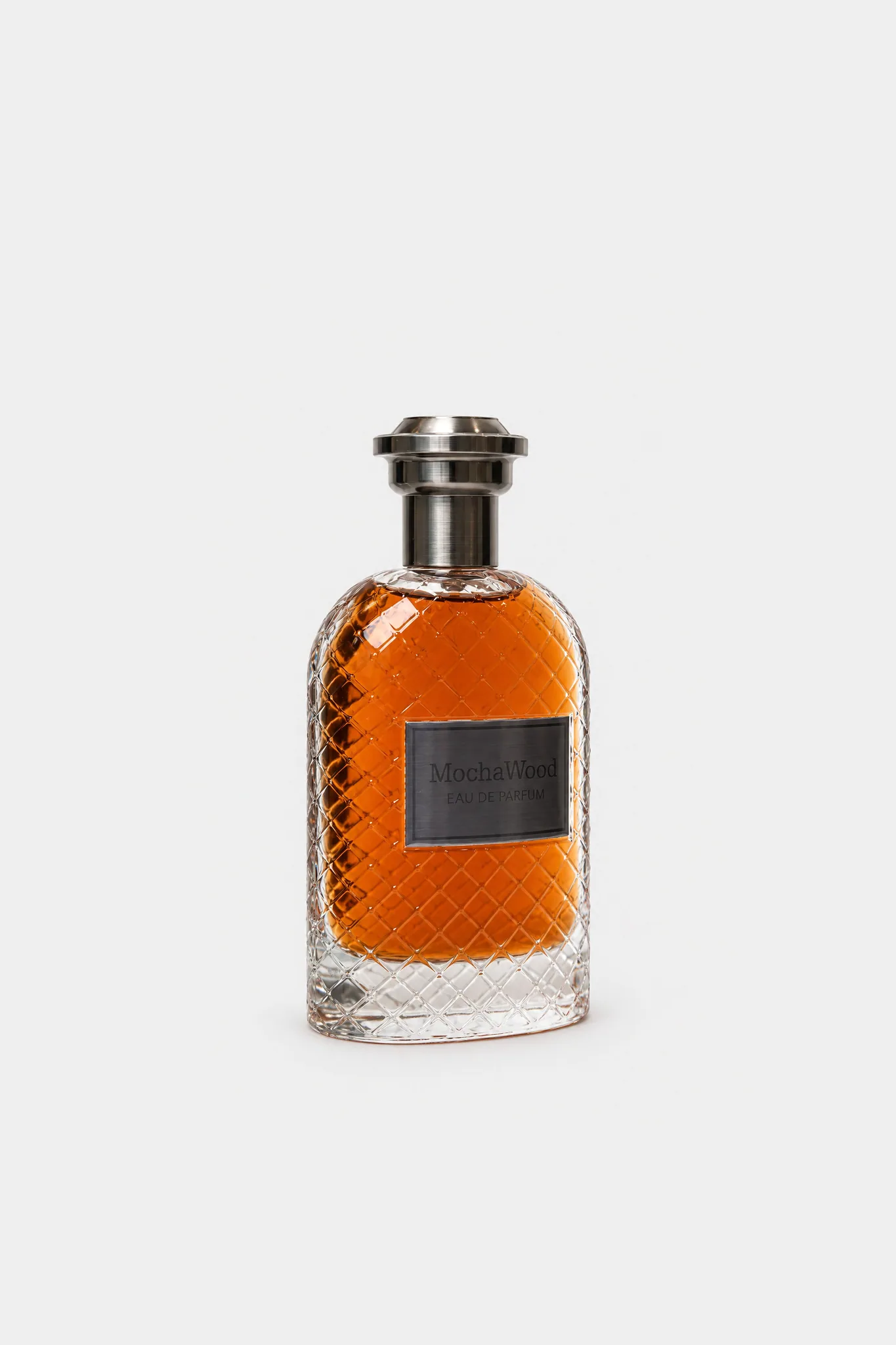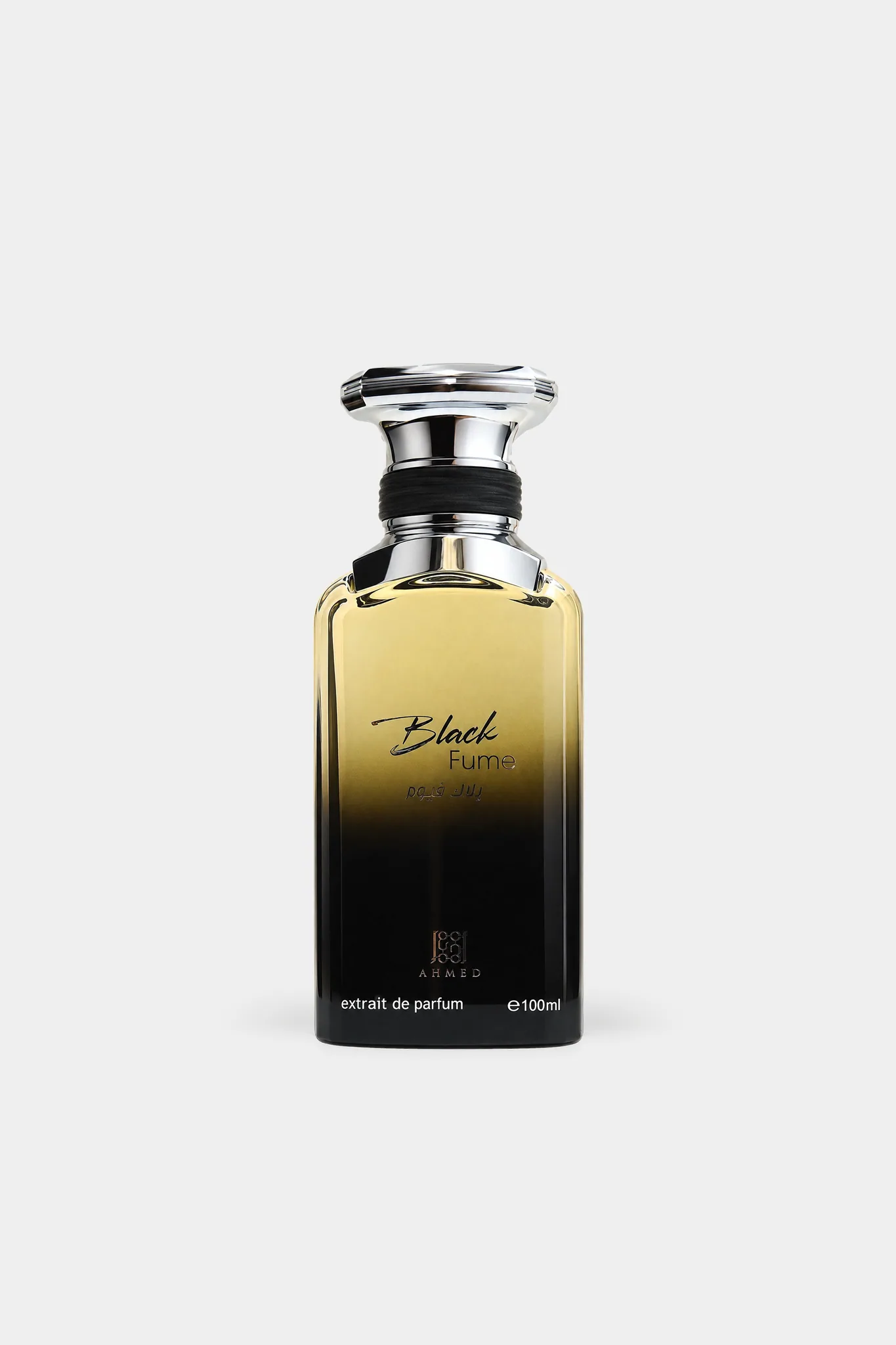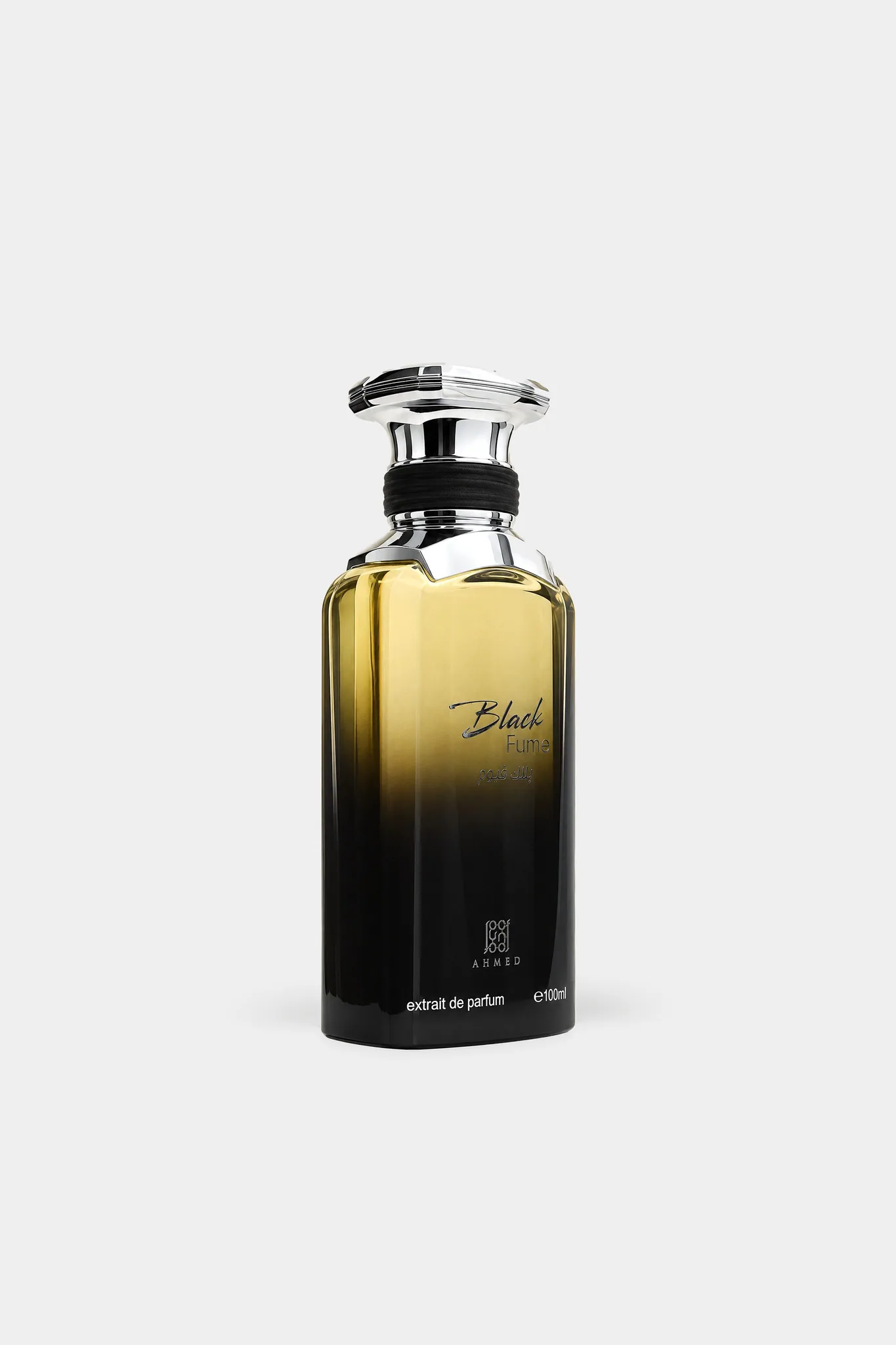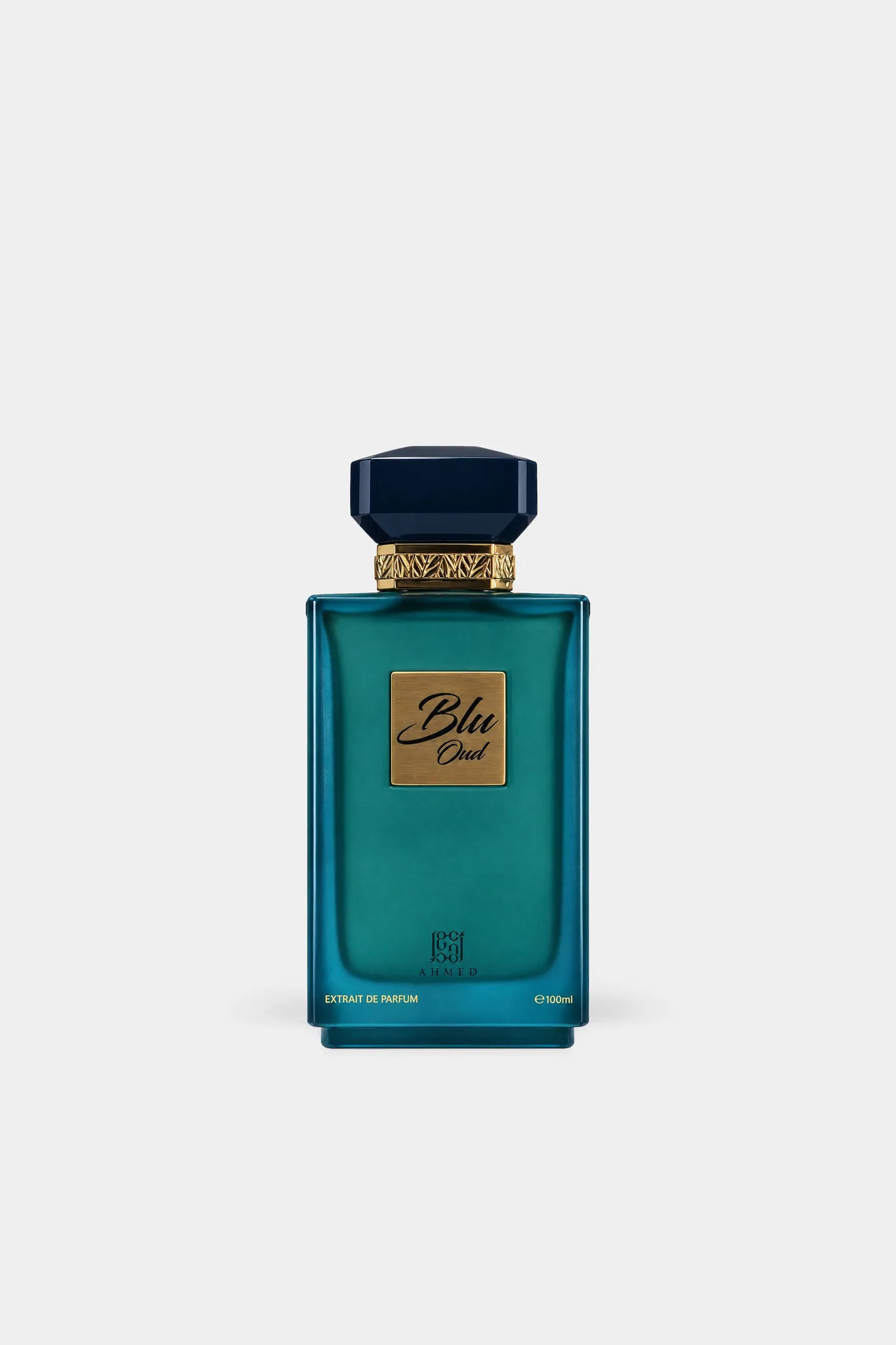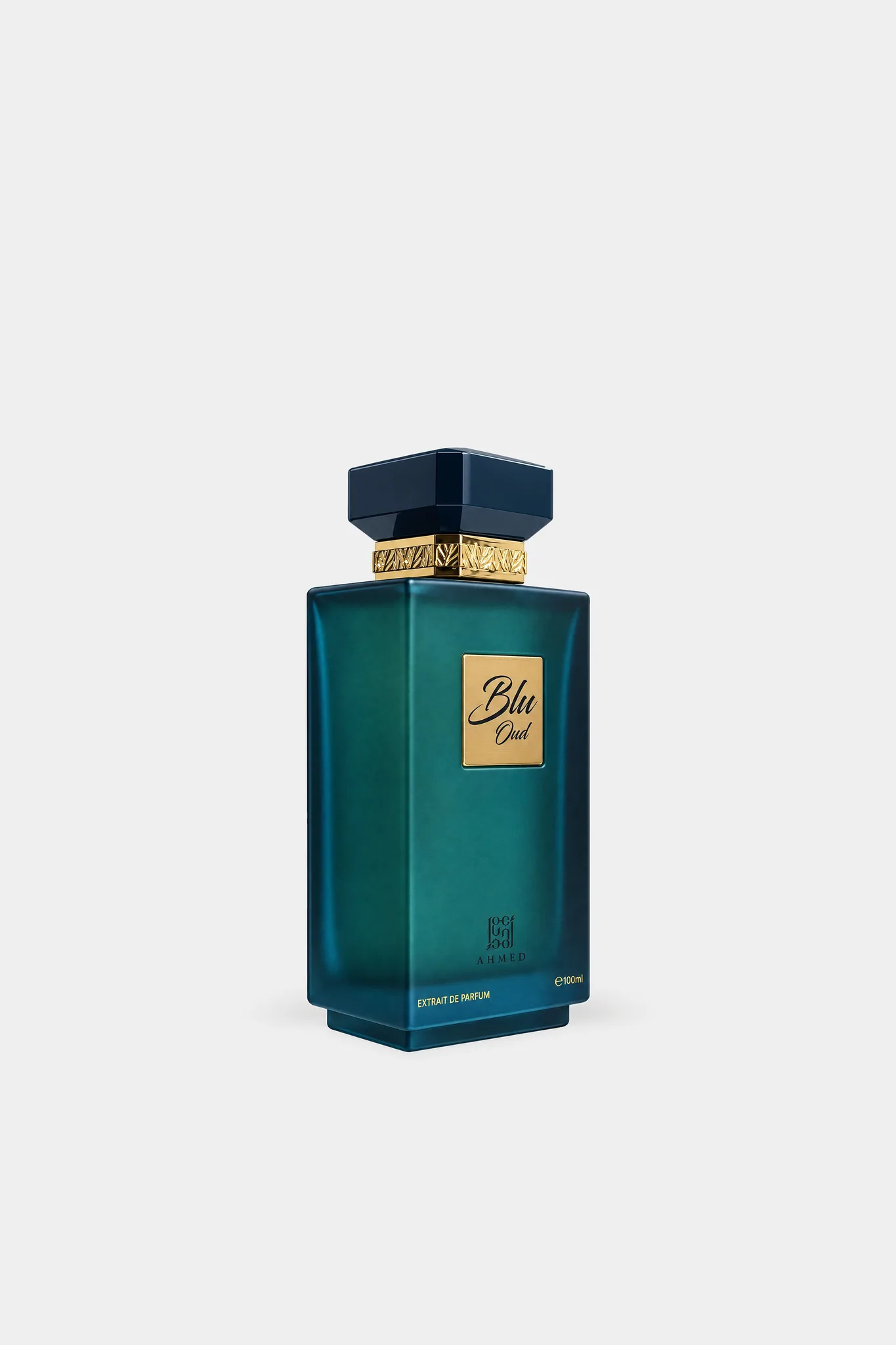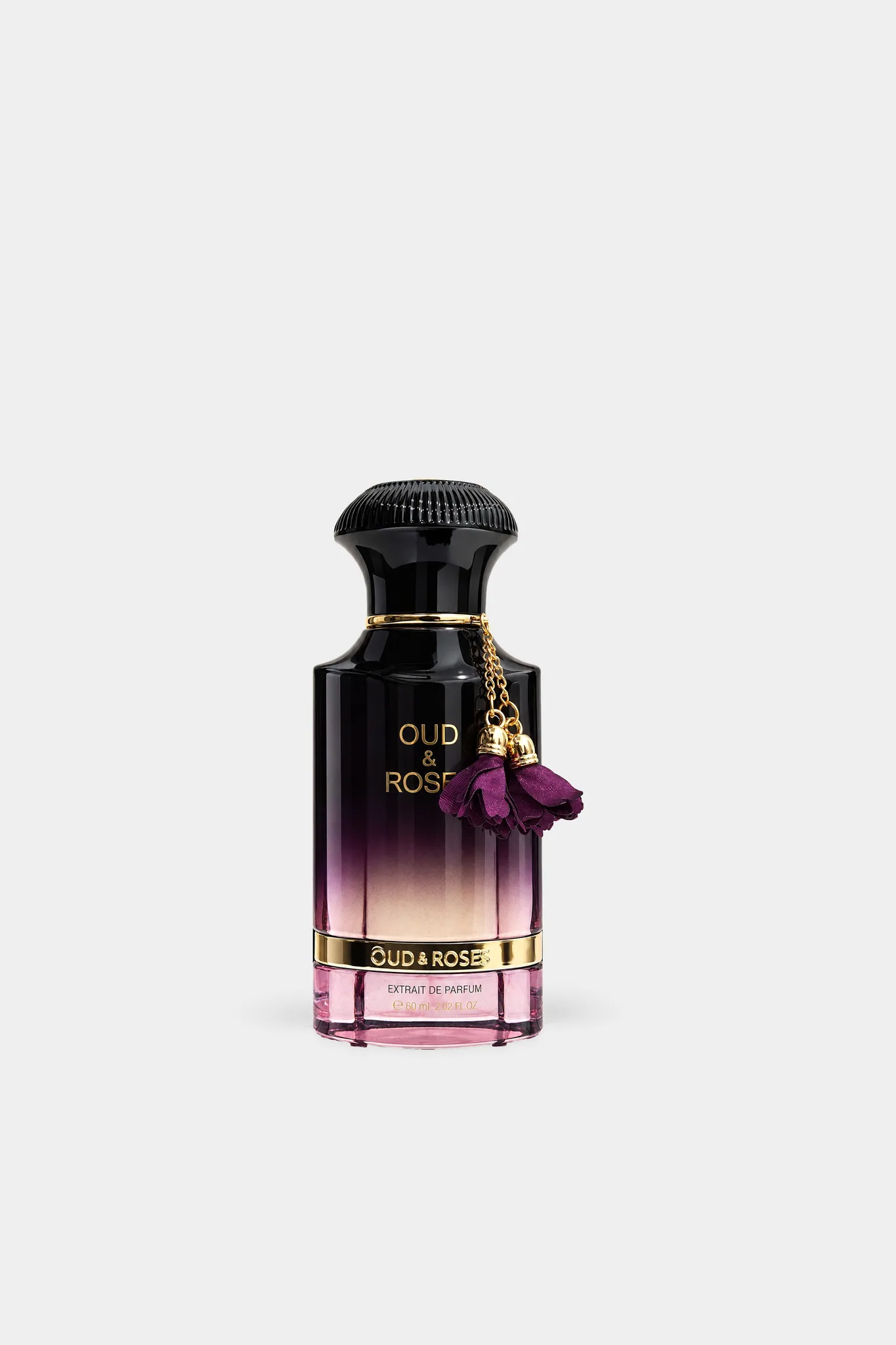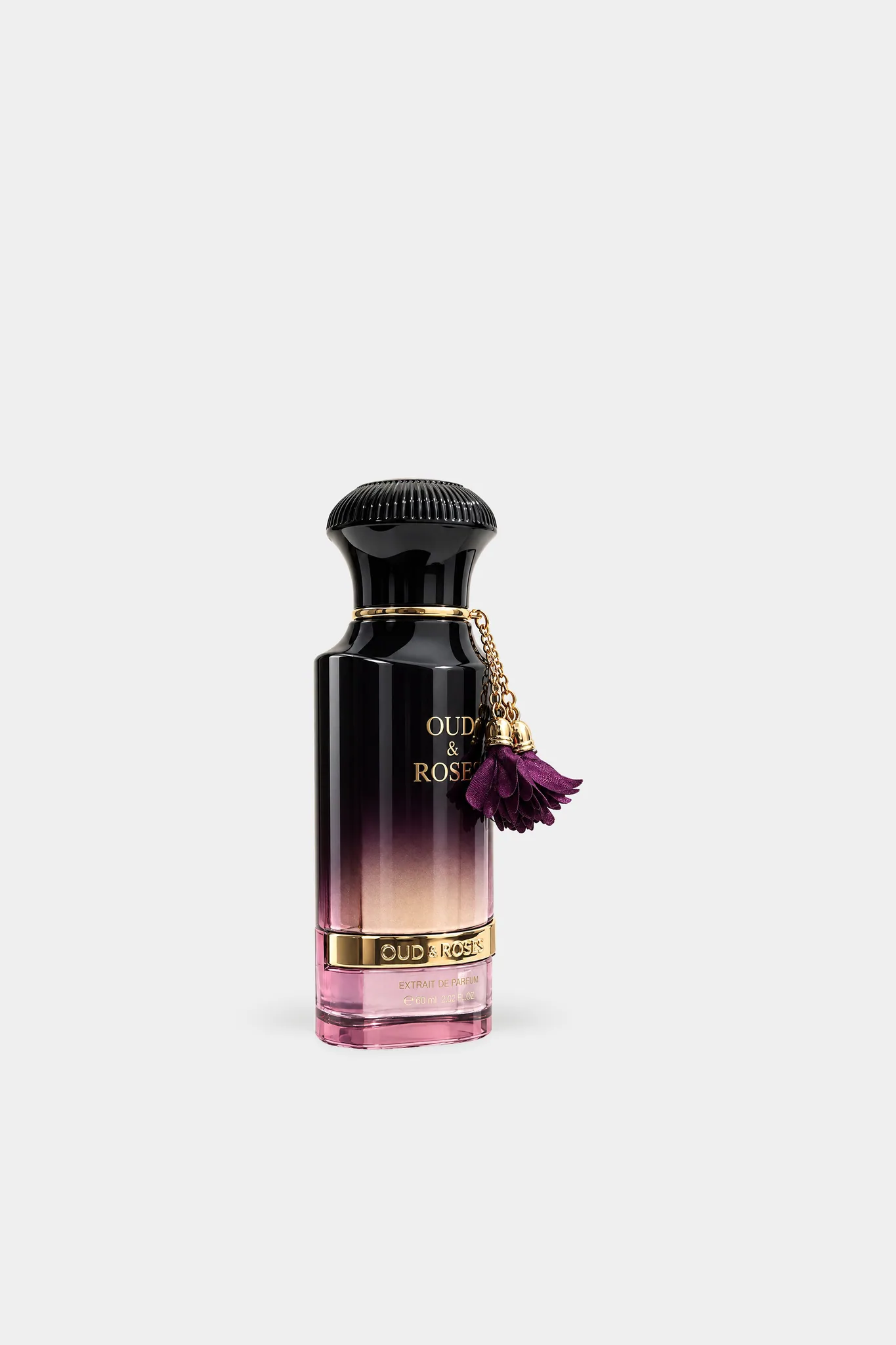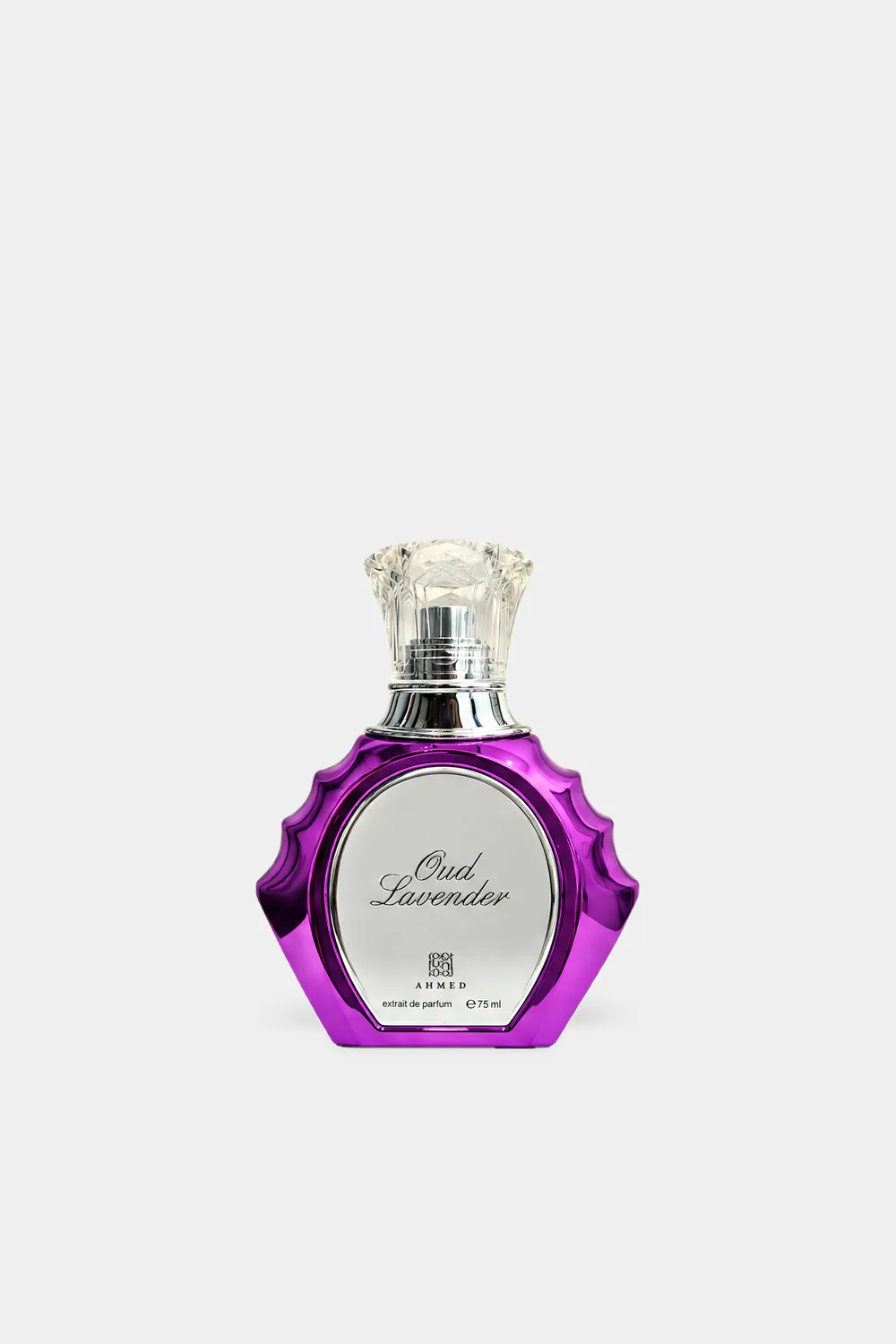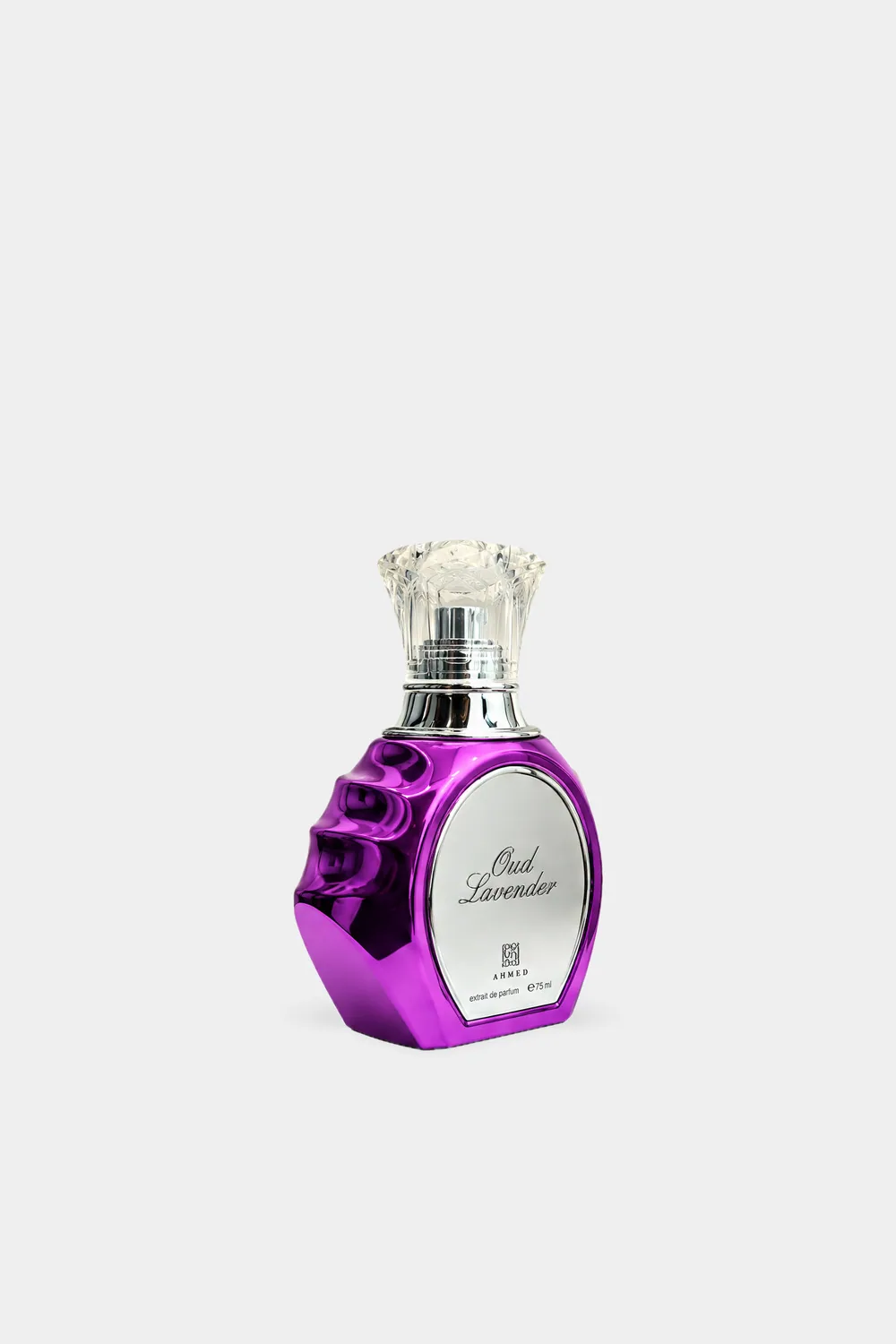


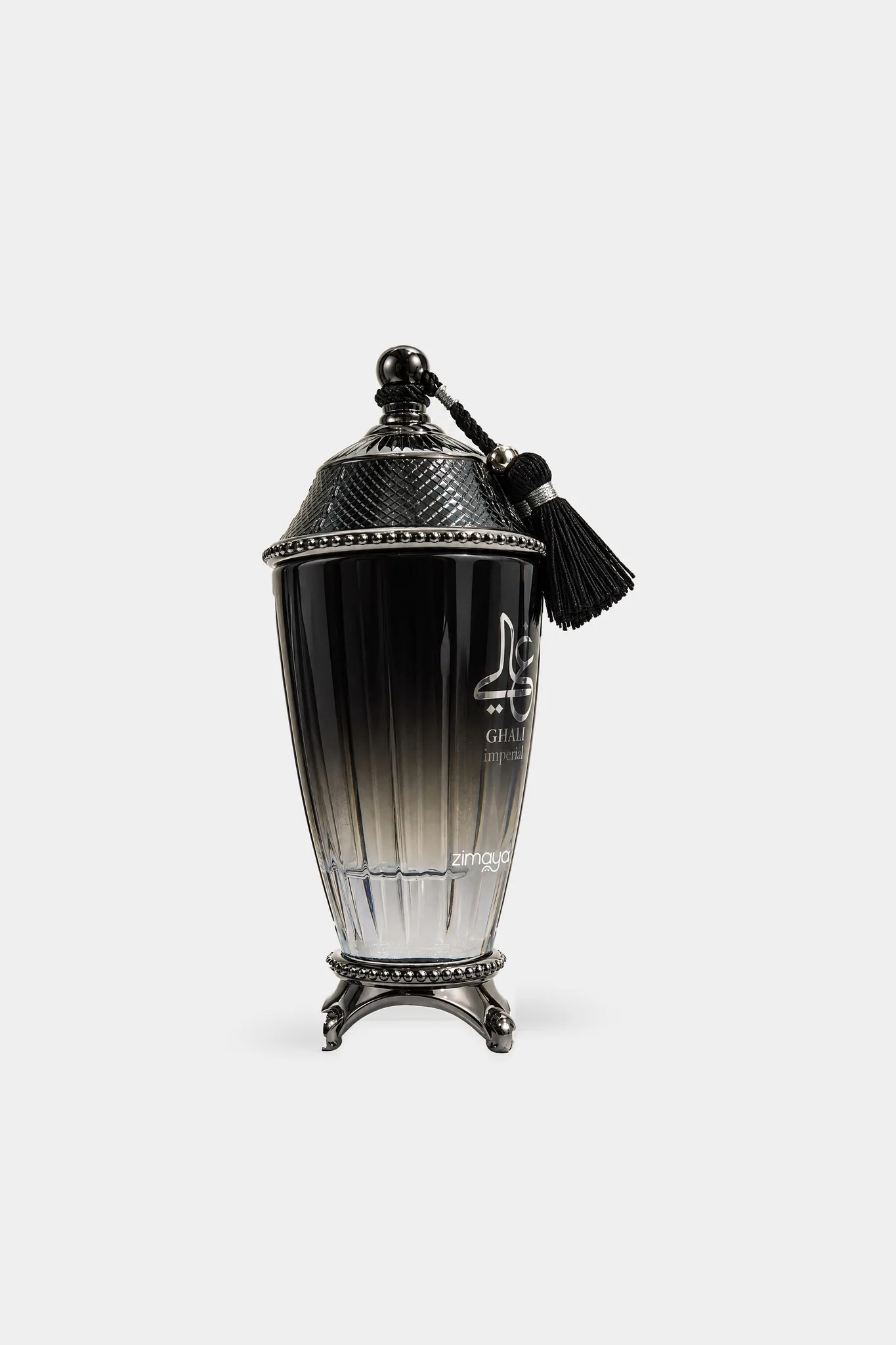
Woody · Natural material · Heart notes, Base notes
Oud
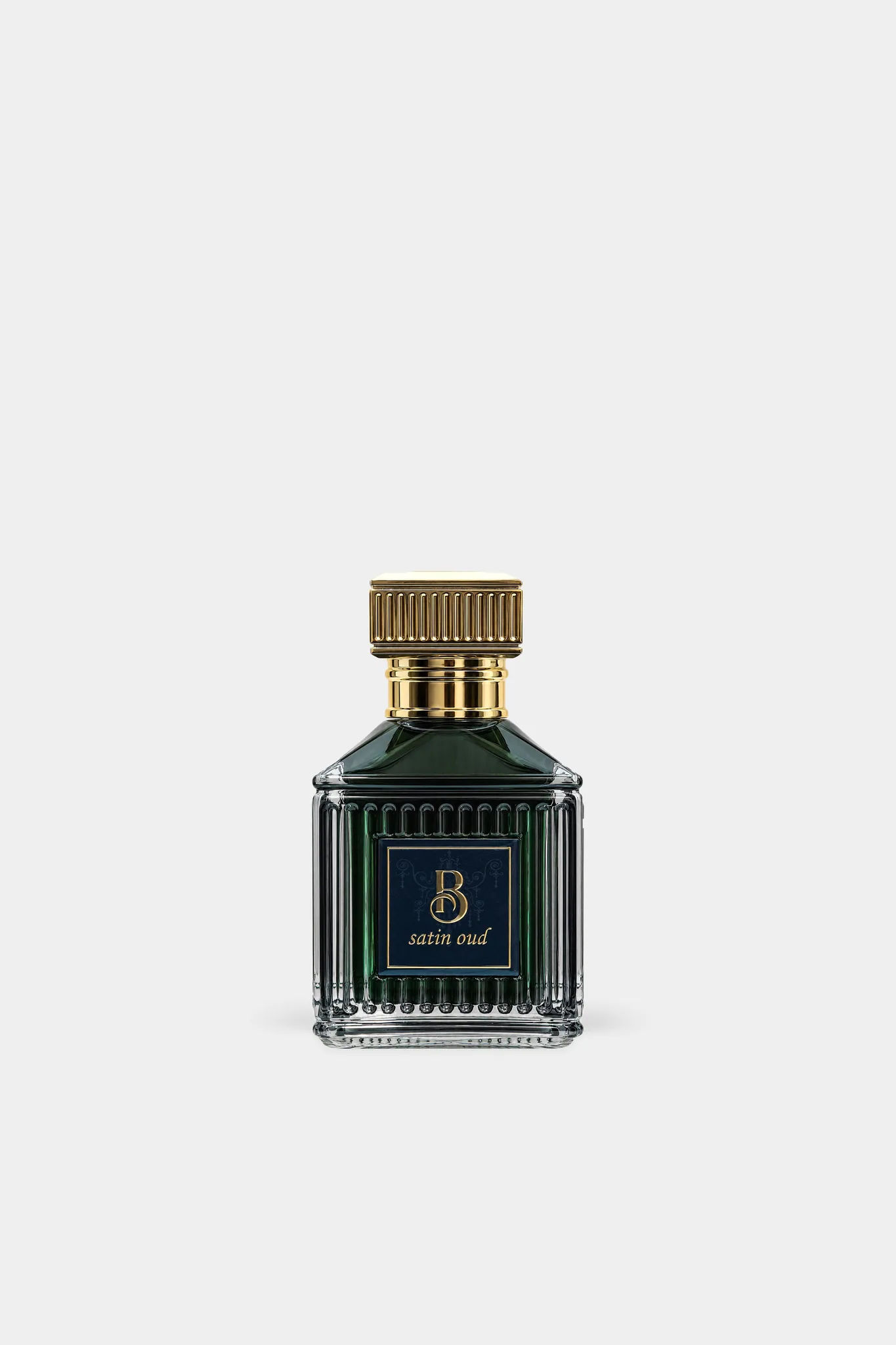
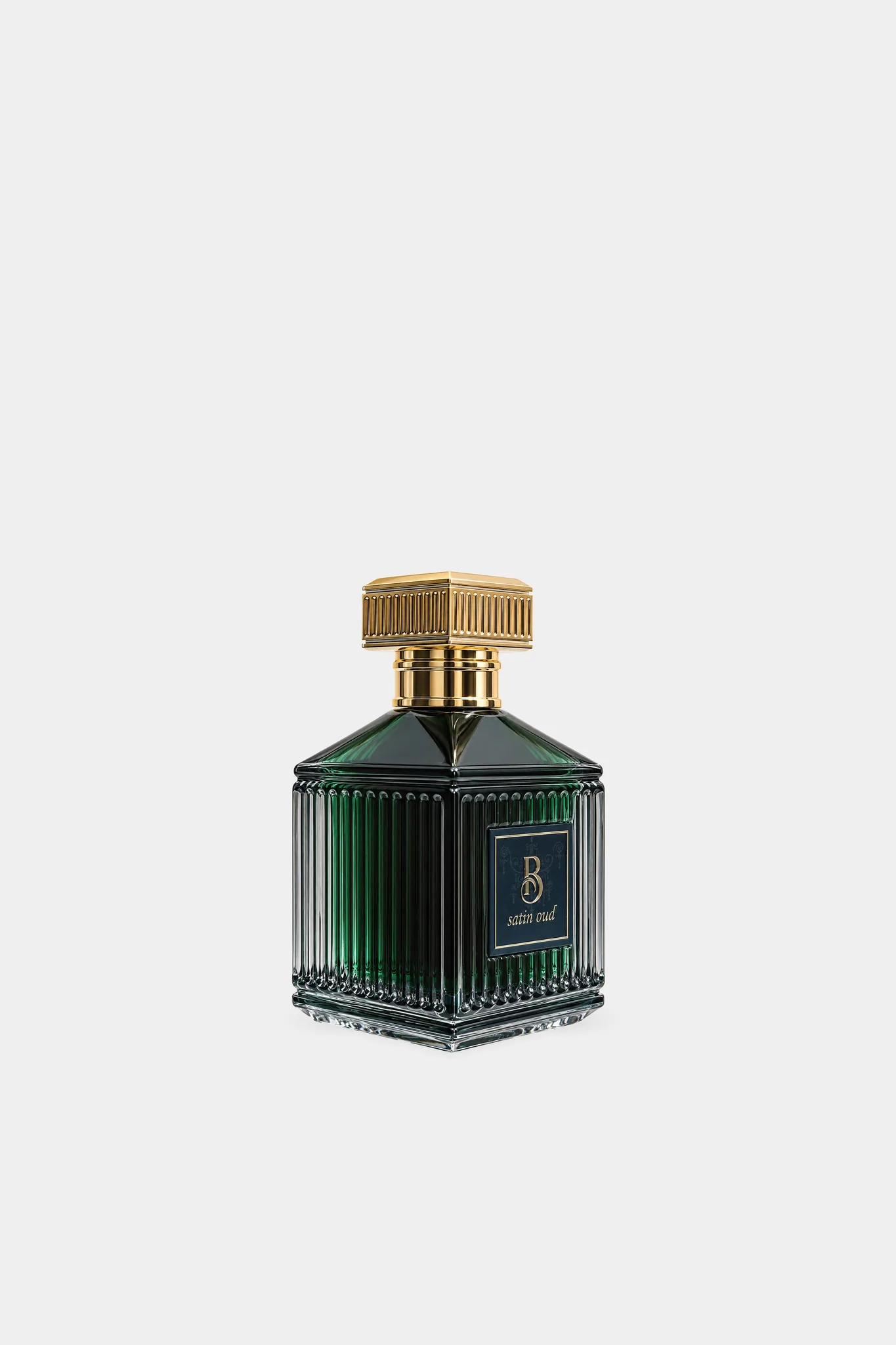
Oud is the fragrant wood and oil of agarwood, the heartwood of Aquilaria trees that turns dark and resinous after a fungal infection. It smells deep, woody, smoky and leathery, sometimes with a sweet side. In perfume, oud sits in the heart or base notes, and many blends use an oud accord because the real oil is so expensive.
· Written by the FRAG team
What does oud smell like?
Oud smells deep and layered: woody, smoky, a little leathery and tobacco-like, with a balsamic sweetness behind it. Real agarwood oil is very dense at first, then softens on skin into a warm, smooth wood.
The character of oud changes with the tree species, the region and the distillation. Some ouds are sweeter and softer, others smokier and sharper. Agarwood is also familiar as incense: when the wood is burned, its smoke smells sweet, balsamic and vanilla-like.
Where does agarwood come from?
Oud comes from Aquilaria and Gyrinops trees that grow in tropical Asia. When a tree is infected by a fungus, its heartwood produces resin as a defence, and the wood turns dark, dense and fragrant. In wild forests, only about 7 in 100 trees become infected. Oud oil is distilled from this wood, and 70 kilograms of wood yields no more than 20 ml of oil.
In Indonesia, agarwood, known as gaharu, grows in Kalimantan, Sumatra, Nusa Tenggara and other islands. Since 2004, all Aquilaria species have been listed in CITES Appendix II, so the trade is monitored. In the Arab world and on perfume note lists, agarwood is known as oud.
Natural oud and oud accords
Because real agarwood oil is so expensive, many perfumes use an oud accord, an impression of oud built from other materials. This is common practice in perfumery. So oud on a note list does not always mean pure agarwood oil, and the accord can smell cleaner and lighter than the real thing.
In a blend, oud usually sits in the heart and base notes because it evaporates slowly. Its classic partners are rose and saffron, followed by sandalwood, amber, patchouli and incense. Oud with rose is a signature of many perfumes from Middle Eastern houses.
Wearing oud in a tropical climate
Oud is dense and warm, so it suits evenings, events or air-conditioned rooms best. In hot, humid weather, choose an oud perfume paired with rose, citrus or fresh notes, and keep it to one or two sprays, because oud fills a room easily.