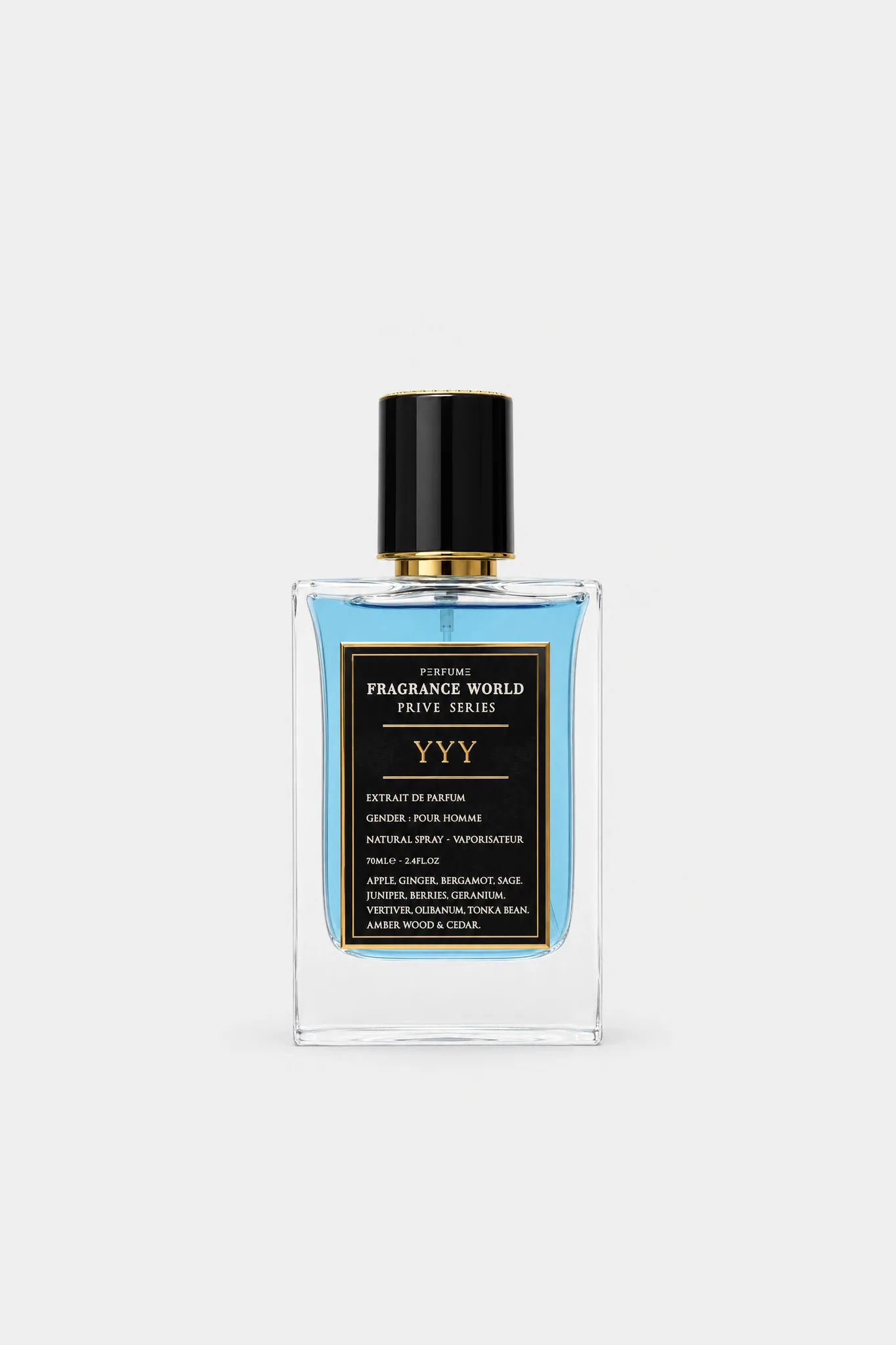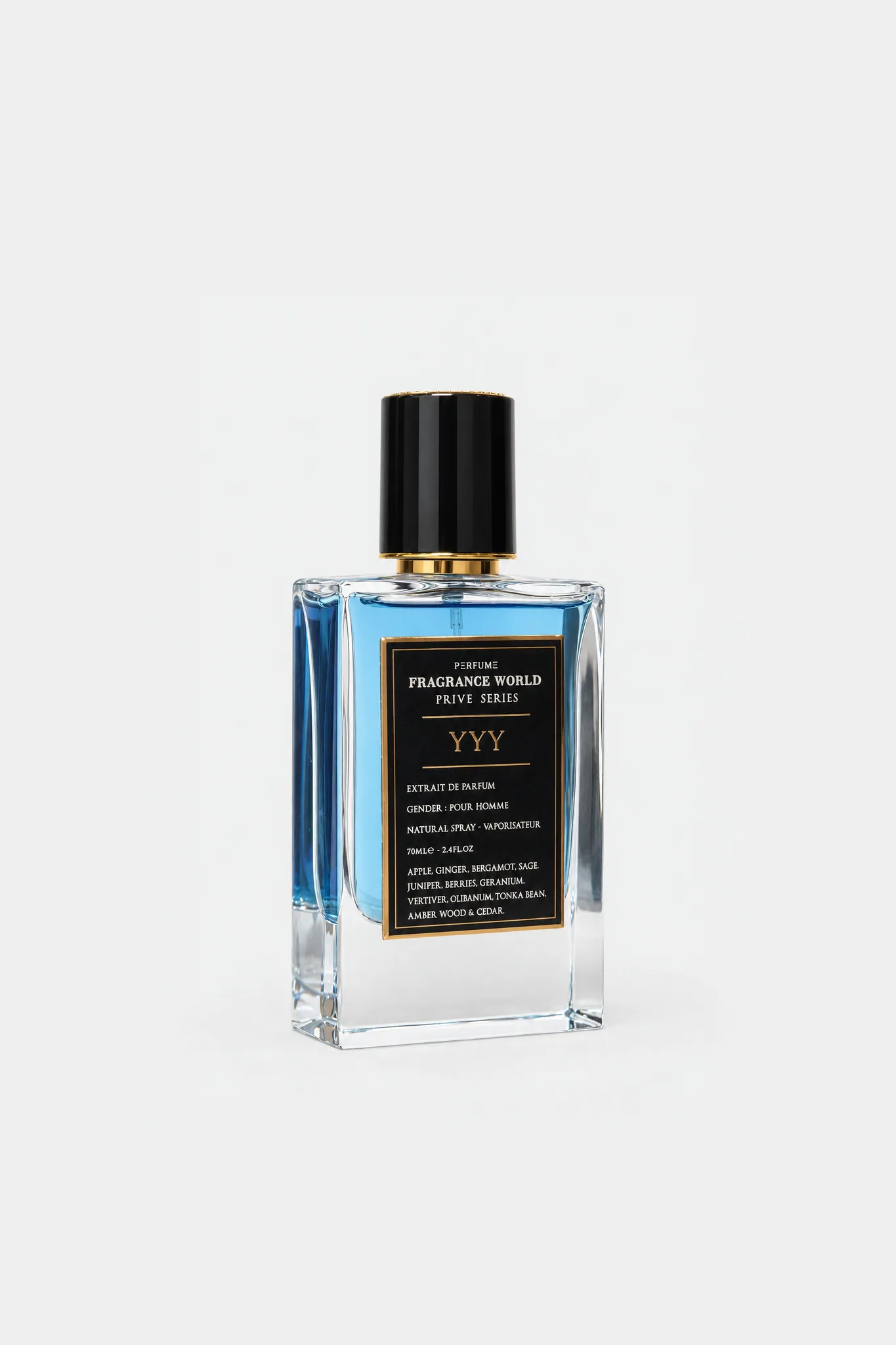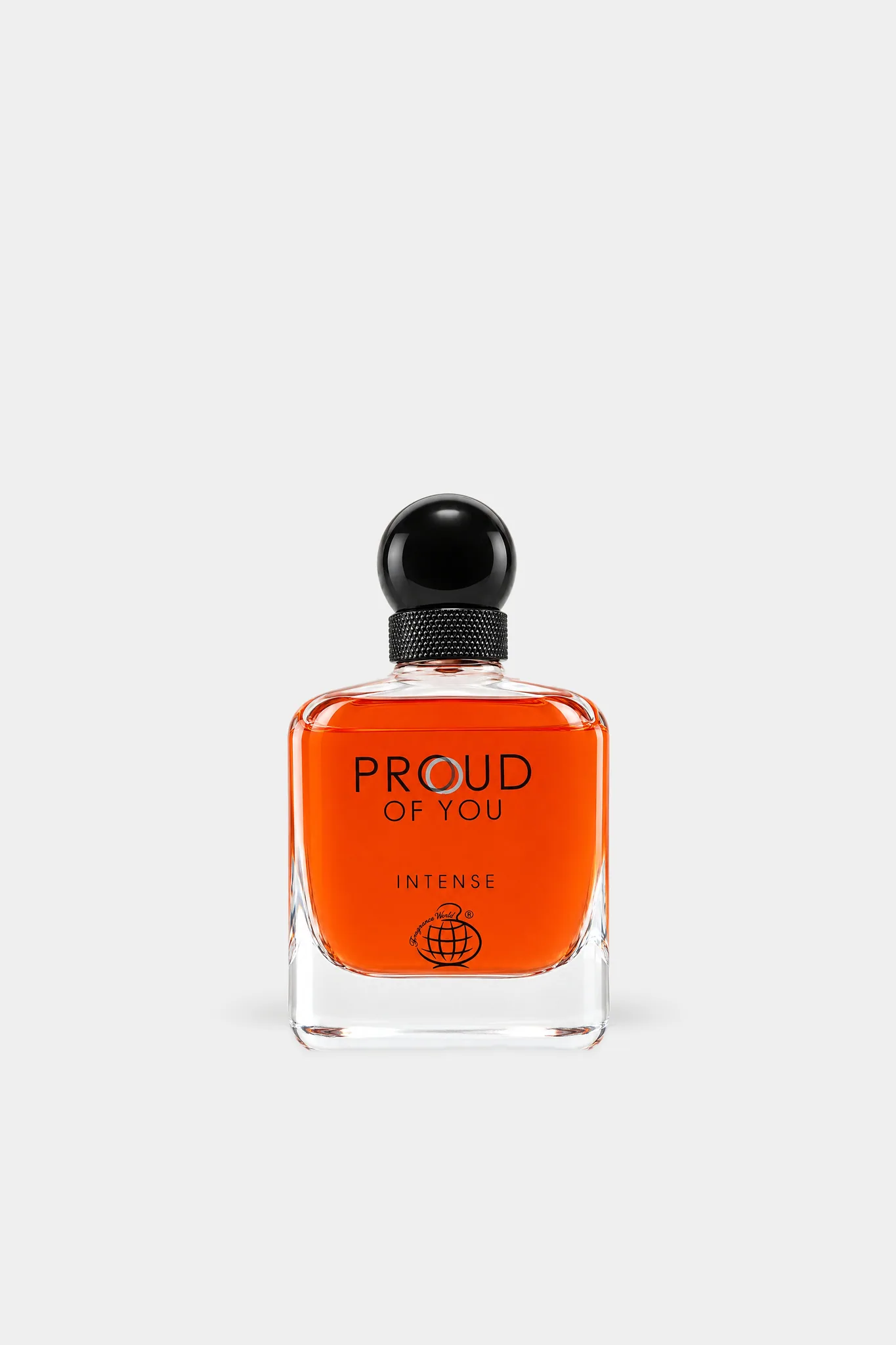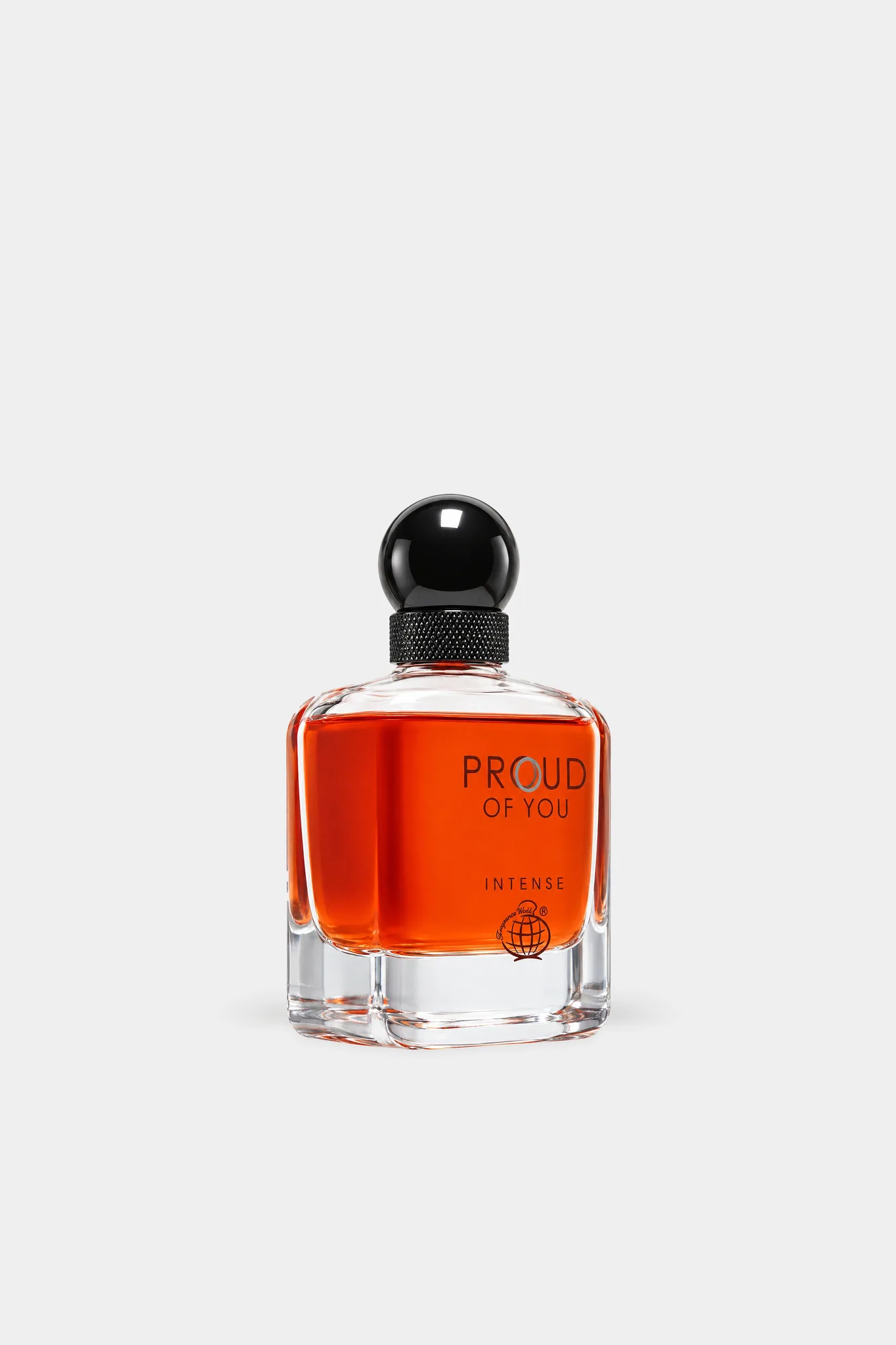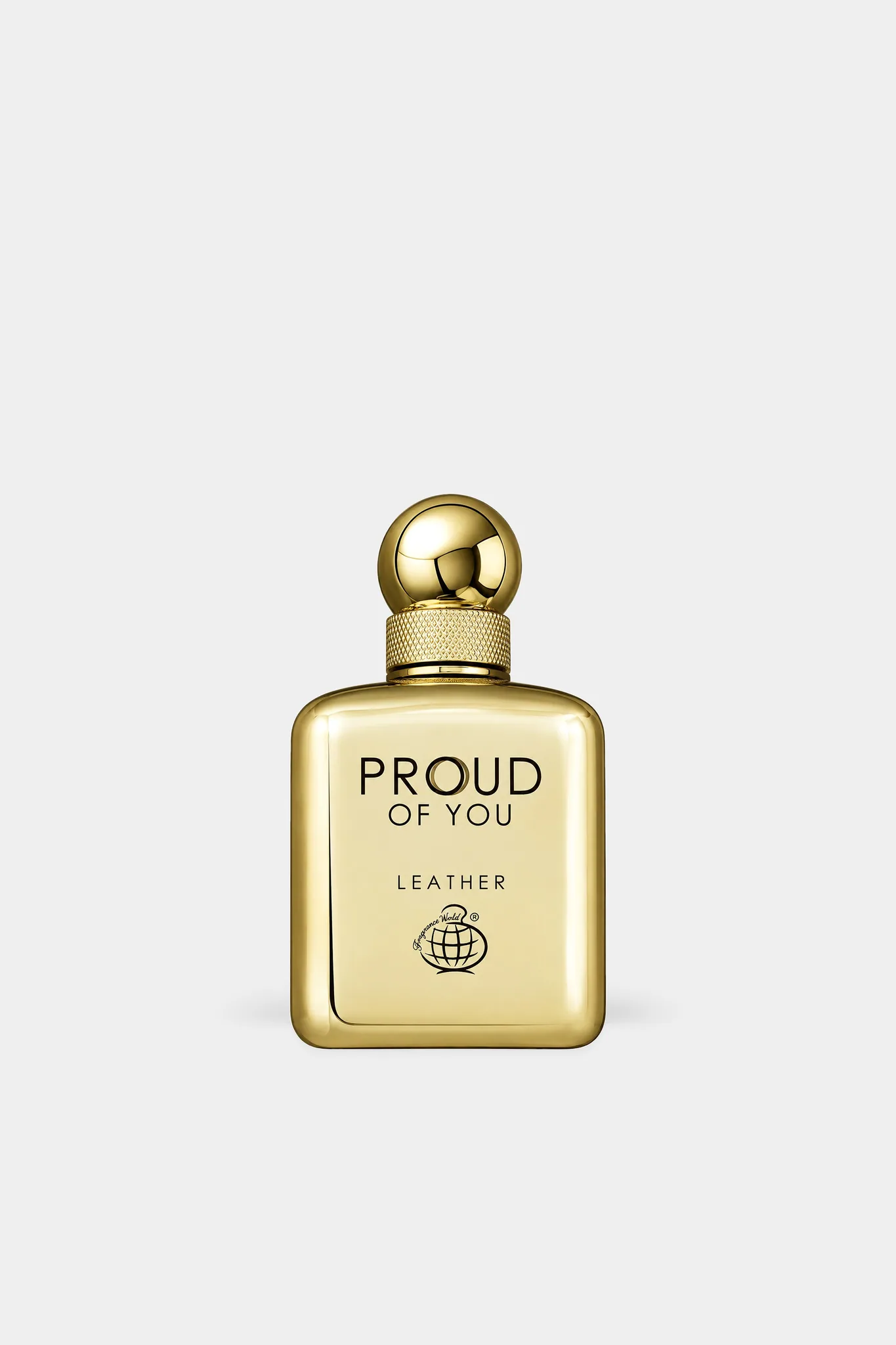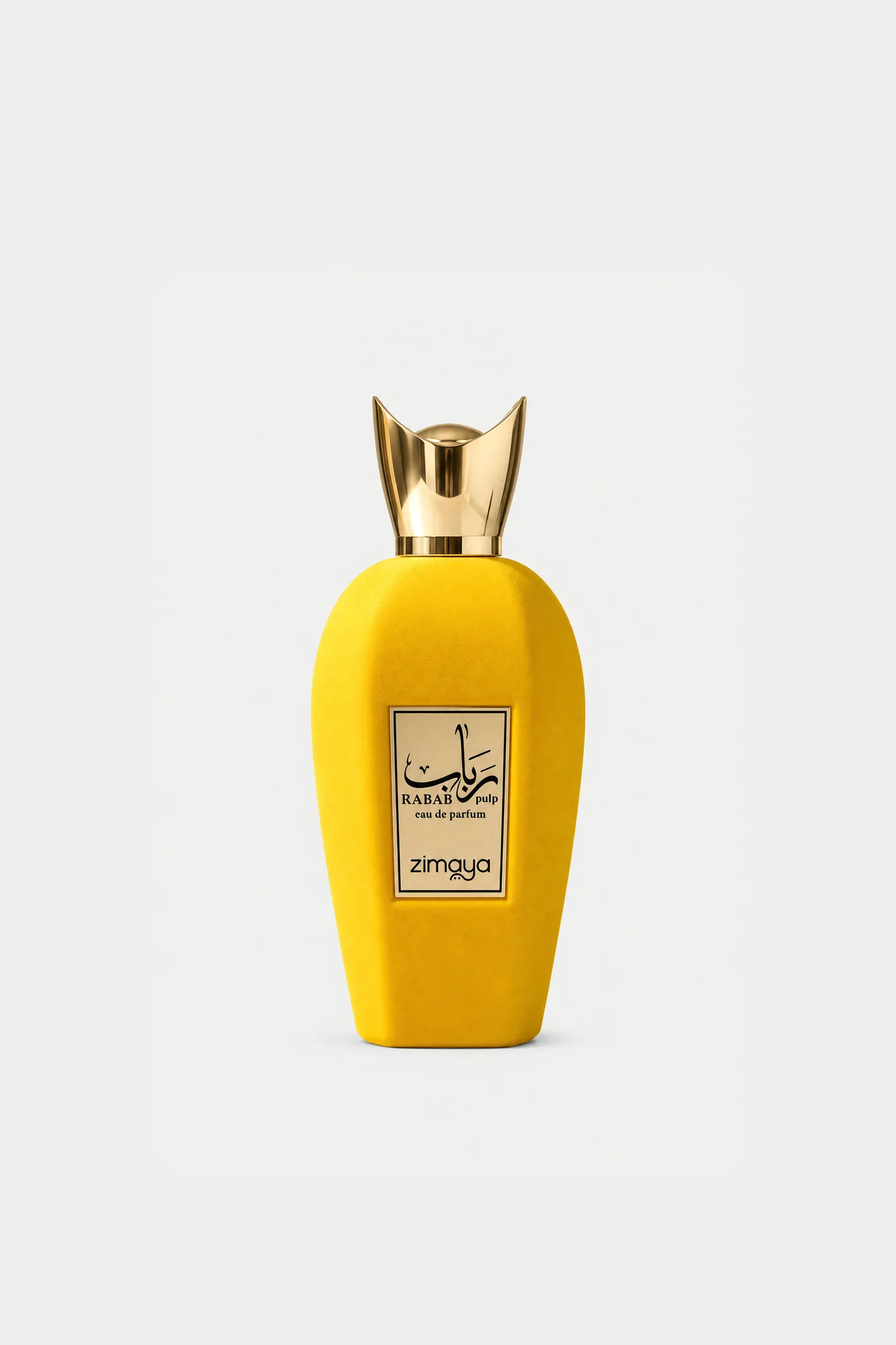


Fresh · Natural material · Top notes, Heart notes, Base notes
Sage
Sage is a fragrant oil from the leaves of Salvia officinalis, a Mediterranean herb also known as Dalmatian sage. It smells herbal and dry, a little like camphor, with a warm, slightly dusty side. Sage usually appears in the top or heart notes, often alongside lavender.
· Written by the FRAG team
What does sage smell like?
Sage smells herbal and dry, like leaves drying in the sun. It opens with a sharp, camphor and eucalyptus-like edge, then turns warmer and a little dusty. Sage is neither sweet nor floral, so it feels tidy.
Used heavily, sage can smell like a muscle rub. That is why perfumers usually use only a little, enough to add a dry herbal side to the blend.
Where sage comes from, and how it differs from clary sage
Sage, or Salvia officinalis, is a shrub from the Mediterranean, in the same family as mint and rosemary. Its oil is steam distilled from the leaves and flowering tops. Much of it comes from the Balkans, especially Albania and Croatia (Dalmatia), as well as Turkey and Greece.
Sage is different from clary sage (Salvia sclarea), although the two share a genus. Clary sage is sweeter and softer, with a warm, amber-like side, while common sage is drier and sharper. On note lists, both are sometimes simply called sage.
Sage in aromatic and fougère perfumes
Sage usually sits in the top and heart notes. It adds a dry herbal side, sharpens lavender and makes a perfume feel more natural. Sage is also a common part of the fougère structure, alongside lavender and coumarin.
Common partners are lavender, rosemary and bergamot, with geranium in the heart and oakmoss in the base. Sage appears in many fresh and aromatic perfumes, and in woody perfumes that aim for a drier feel.
When to wear a sage perfume
A perfume with sage suits daytime, work and hot weather, because it feels dry and unsweet. When sage meets woods, amber or ambroxan, it turns warmer and can be worn into the evening.