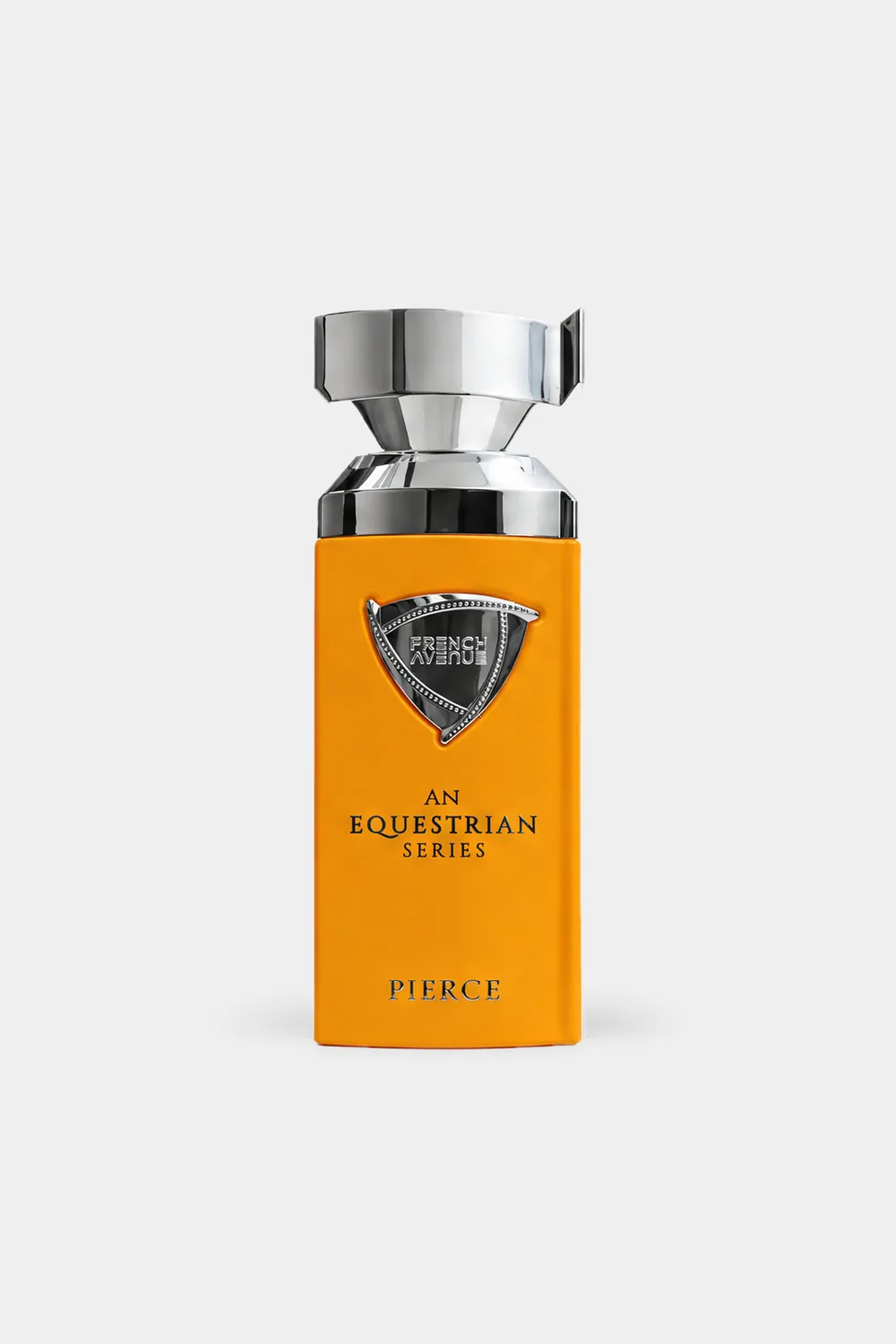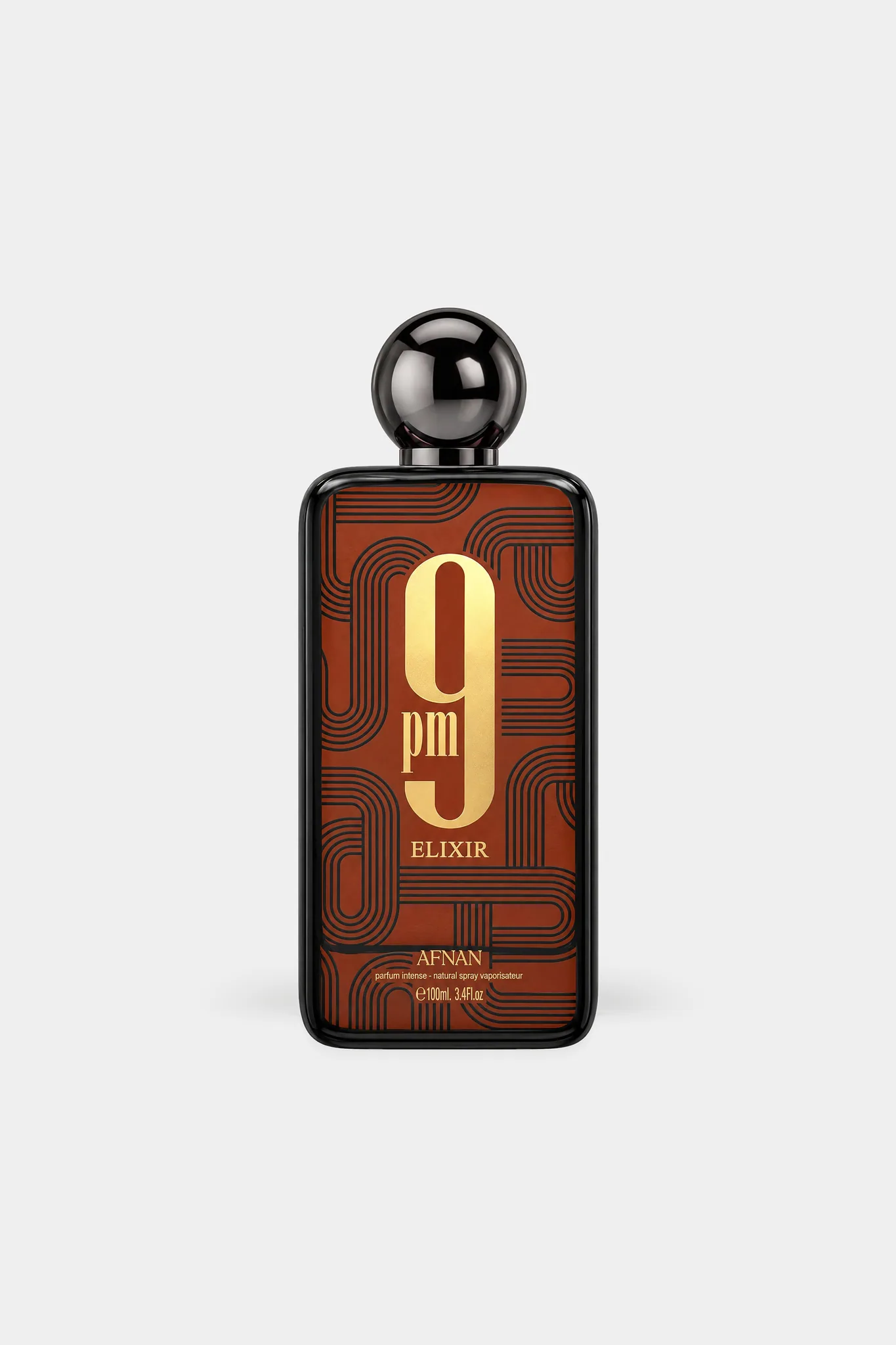



Amber · Natural material · Top notes, Heart notes
Elemi
Elemi is a resin from the Canarium luzonicum tree, which grows in the Philippines. It smells fresh and sharp like lemon peel and pine, with a peppery side and a touch of incense. In perfume, elemi usually sits in the heart notes and links a citrus opening to a resinous or woody base.
· Written by the FRAG team
What does elemi smell like?
Elemi smells fresh and sharp, like lemon peel crushed together with pine needles. Behind that is a peppery side and a little balsam. Elemi feels brighter than other resins such as myrrh or labdanum.
Right after spraying, elemi shows its fresh side quickly, then settles into a light resin with a hint of incense. Its incense feel is clean and less sweet than benzoin.
Elemi, a resin from the Philippines
Elemi comes from Canarium luzonicum, a tree native to the Philippines. Tappers cut into the bark, and a clear sap flows out and hardens into pale yellow to amber pieces of resin. Elemi oil is steam-distilled from this resin.
The elemi tree belongs to the same genus as the kenari tree (Canarium indicum), which grows wild across the Maluku Islands. Besides perfume, elemi resin is used in incense, varnish and printing ink.
Elemi as a bridge in the heart notes
Elemi is usually placed in the heart notes, sometimes in the top. It links a citrus opening to a resinous and woody base, so the transition feels smooth. Elemi is often used to give a fresh incense feel without making the perfume heavy.
With incense and myrrh, elemi smells like bright incense. With lemon and black pepper, it strengthens a fresh, spicy opening. Labdanum and cedar give elemi a warmer, woodier base.
Elemi for hot days
Elemi is fresh and light, so it is comfortable during the day in hot weather. A perfume with elemi and citrus suits work. When elemi meets incense and dark resins, the perfume fits the evening better.